Aluminium constructions in shipbuilding
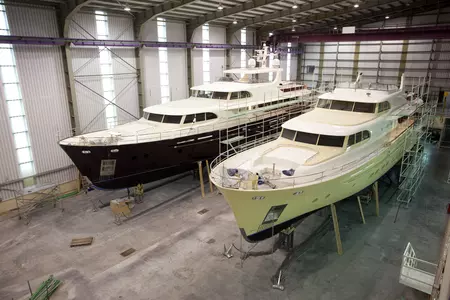
Aluminium is a material of choice for shipbuilding due to its light weight, corrosion resistance, durability, and design flexibility. Although a more expensive material than steel, its properties make it a preferred choice for modern watercraft, offering excellent structural strength while reducing the overall weight of the vessel. Its use is widespread in different types of boats, from pleasure yachts to commercial vessels. Although very large liners are generally still built from steel, the use of aluminium also in this segment is becoming increasingly popular, at least for some parts of the structures.
Insulation is particularly important to ensure comfort on board, save energy and protect sensitive equipment. Much more than steel vessels, aluminium vessels require a specific approach to insulation, due to the particularly high thermal conductivity of the material and its sensitivity to vibrations.
Areas of application of aluminium in shipbuilding
Aluminium alloys are extensively used by shipbuilders for constructing hulls, superstructures, divisions, and interior components.
- Hull: The outer hull of an aluminium ship plays a pivotal role in ensuring buoyancy and resisting the forces exerted by the water. Aluminium is valued in hull construction due to its remarkable combination of lightweight properties, corrosion resistance, and structural strength.
- Decks: Aluminium is commonly used for ship decks, taking advantage of its lightweight characteristics while maintaining its strength to support heavy loads and resist dynamic forces encountered at sea.
- Bulkheads: Aluminium ship bulkheads are vertical partitions that contribute to both structural integrity and watertight compartmentation.
- Superstructure Elements: The use of aluminium in specific elements of the superstructure, cabins and decks not only helps improve durability, but also plays a crucial role in reducing the overall weight of the vessel.
Bulkhead and deck insulation
The vertical divisions found within ships called bulkheads are essential to preserving both fire compartmentation and structural integrity. The same goes for the decks, or horizontal surfaces, of a ship. In addition to reducing noise transmission and helping to regulate temperatures throughout the vessel, effective insulation is essential to stopping the spread of smoke and flames in the event of a fire.
Why insulate aluminium divisions?
Thermal comfort and condensation prevention
The high thermal conductivity of aluminium is an essential aspect to consider when insulating ships. Due to its ability to conduct heat, aluminium can create thermal bridges, promoting unwanted heat transfer between the inside and outside of the vessel. Depending on weather conditions, this can lead to the formation of condensation inside the structure.
Condensation can be problematic and compromise the quality of the indoor environment. This happens when warm air inside the vessel comes into contact with cold, often metallic surfaces, causing water vapour to turn into liquid water. In addition to potential damage to materials, condensation can lead to humidity problems, promoting mould growth and affecting air quality on board.
To address these challenges, our insulation solutions reduce heat transmission through the aluminium hull, helping to prevent unwanted condensation, ensuring a dry and comfortable interior environment and preserving the durability of the vessel structure. Especially since aluminium ships operate in a wide range of weather conditions – from the icy waters of the poles to the warm waters of the tropics! Good insulation keeps internal temperatures within the ideal range, protecting equipment while keeping crew and passengers comfortable and contributing to overall energy efficiency.
Fire safety
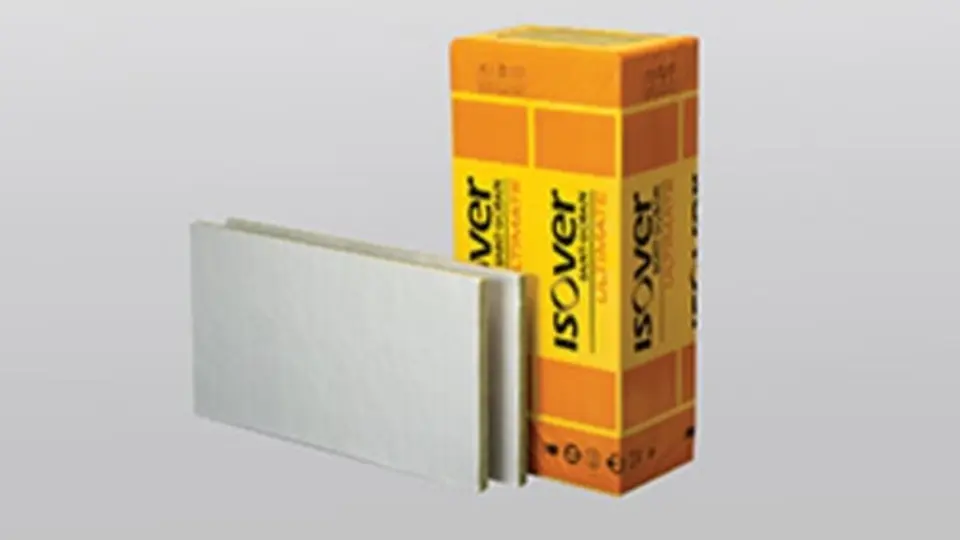
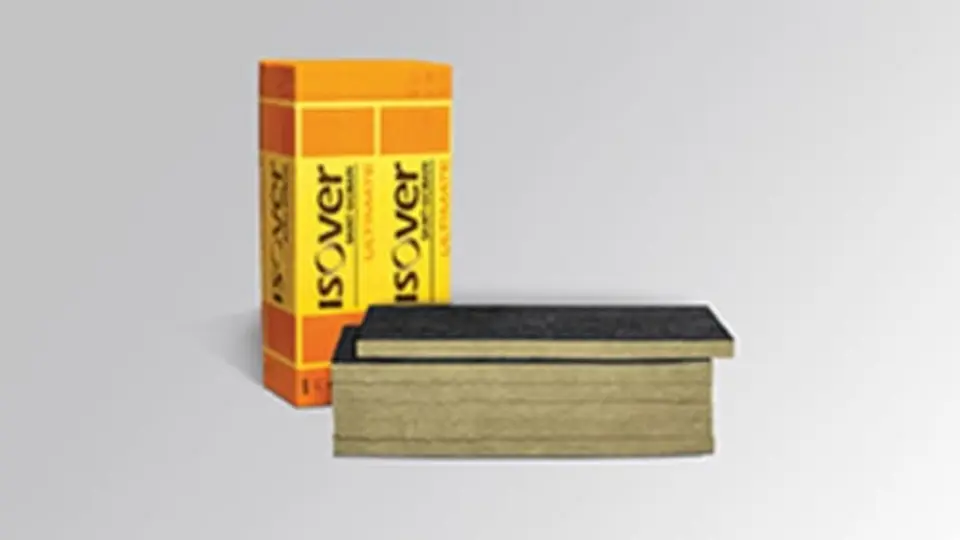
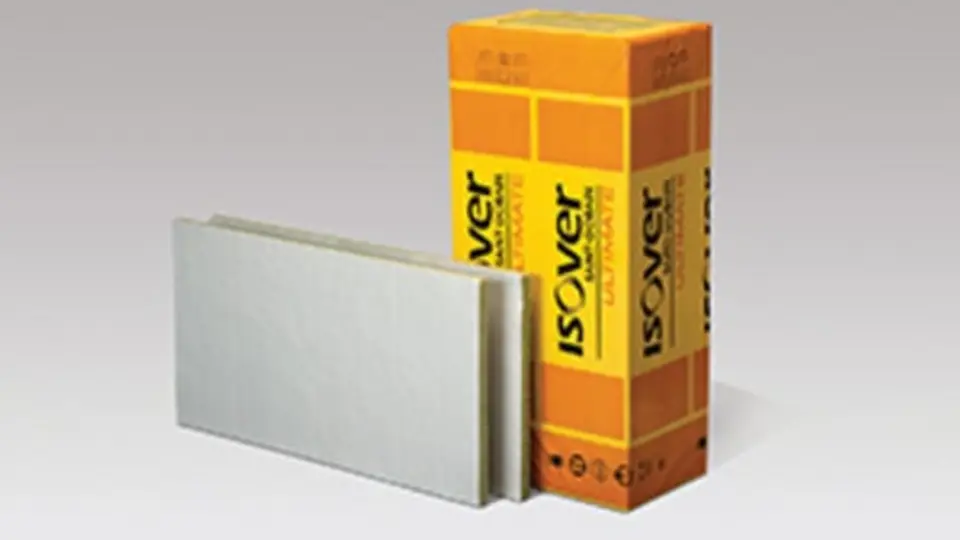
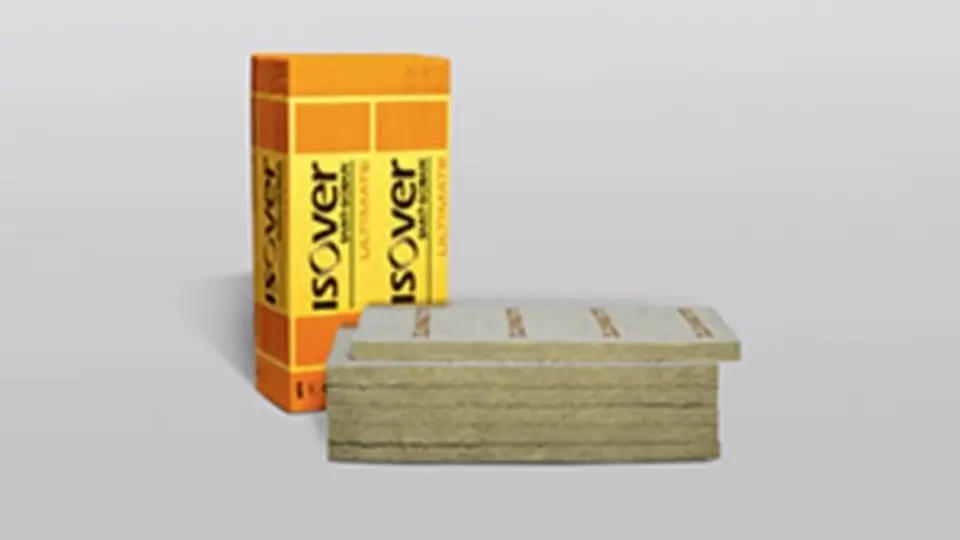
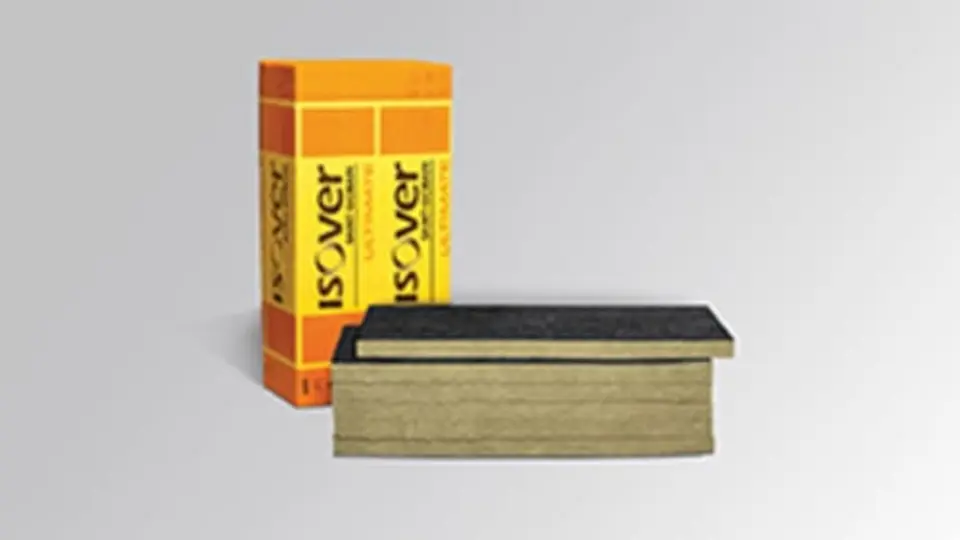
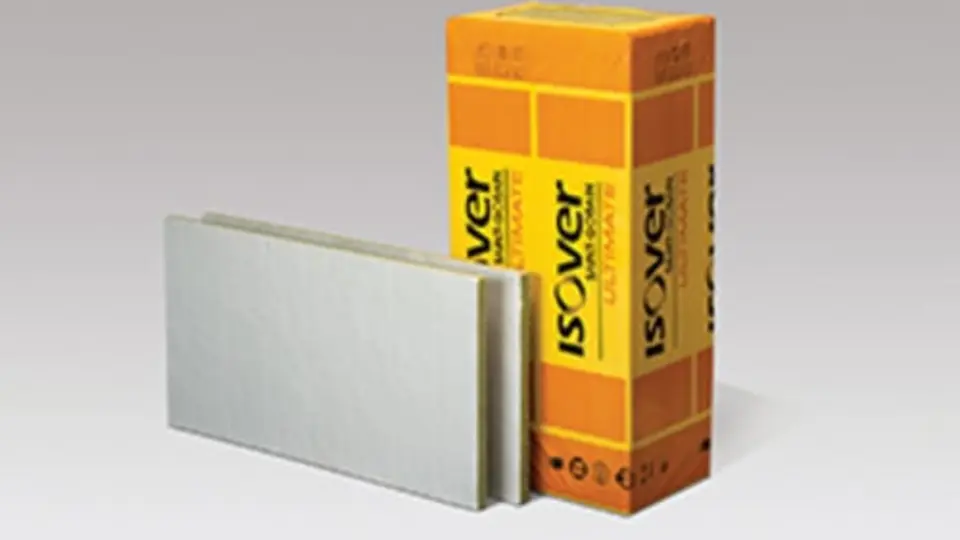
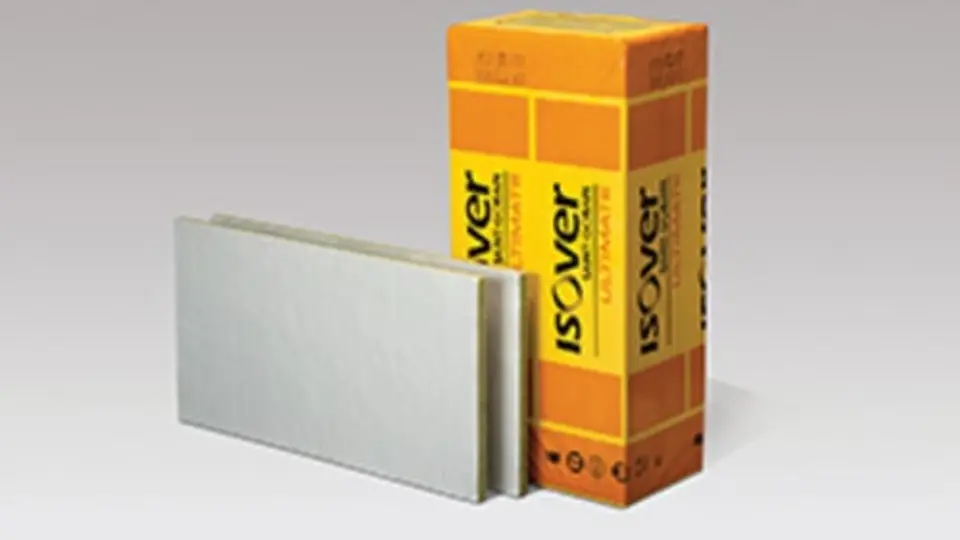
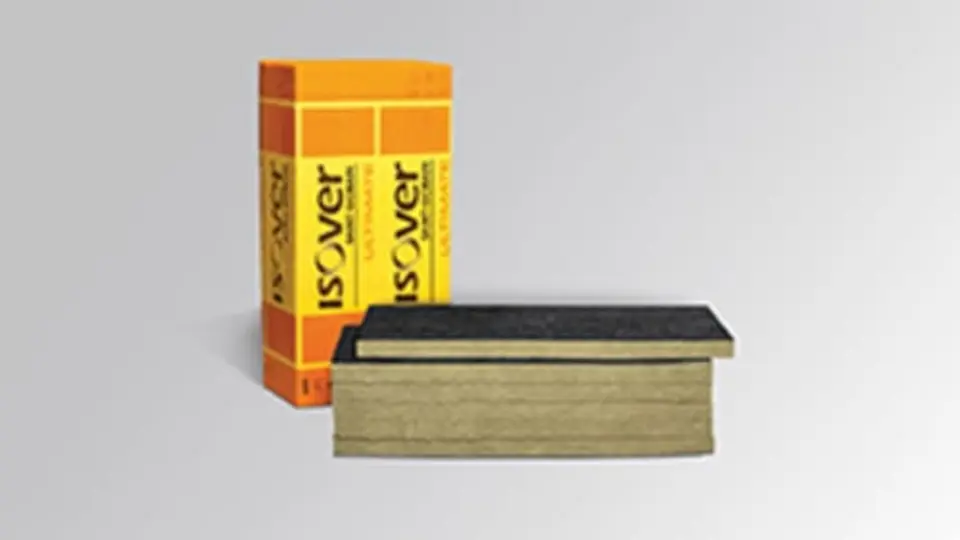
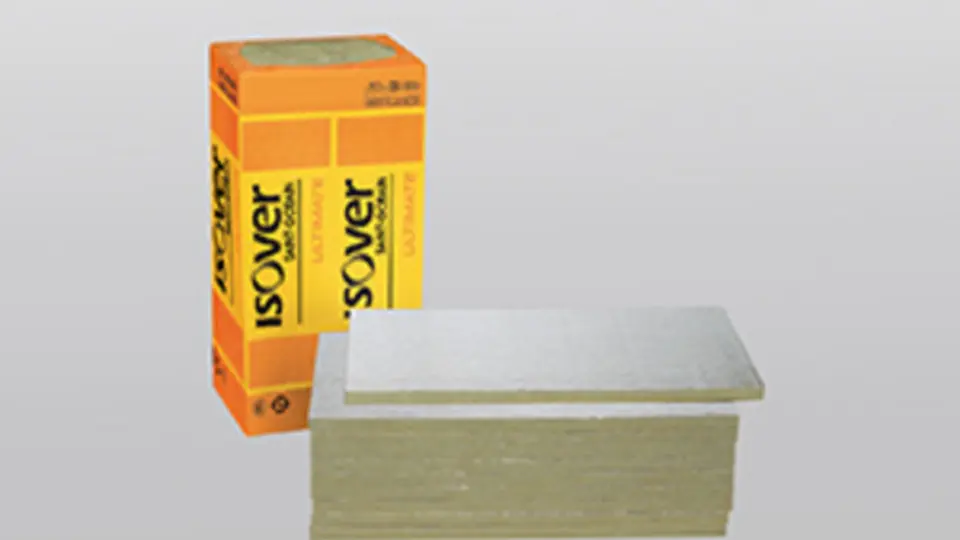
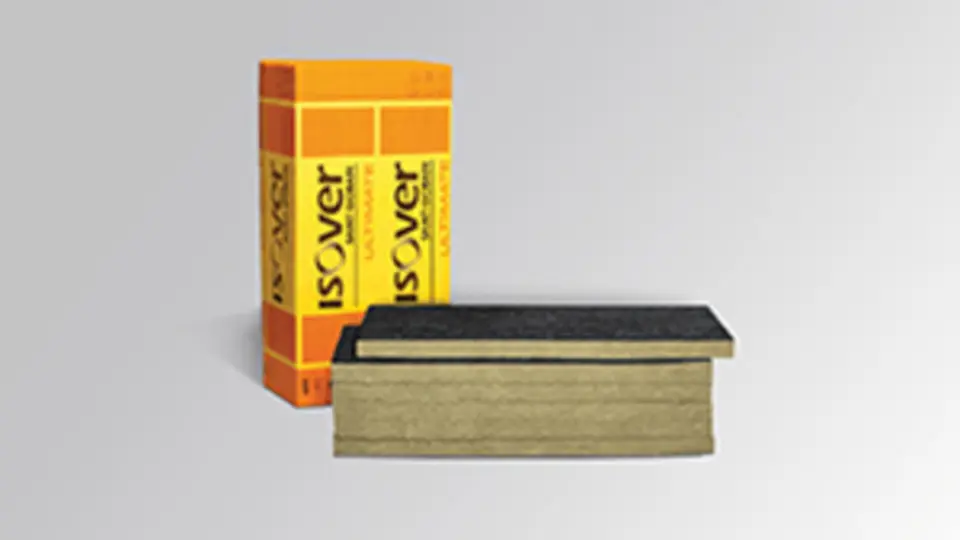
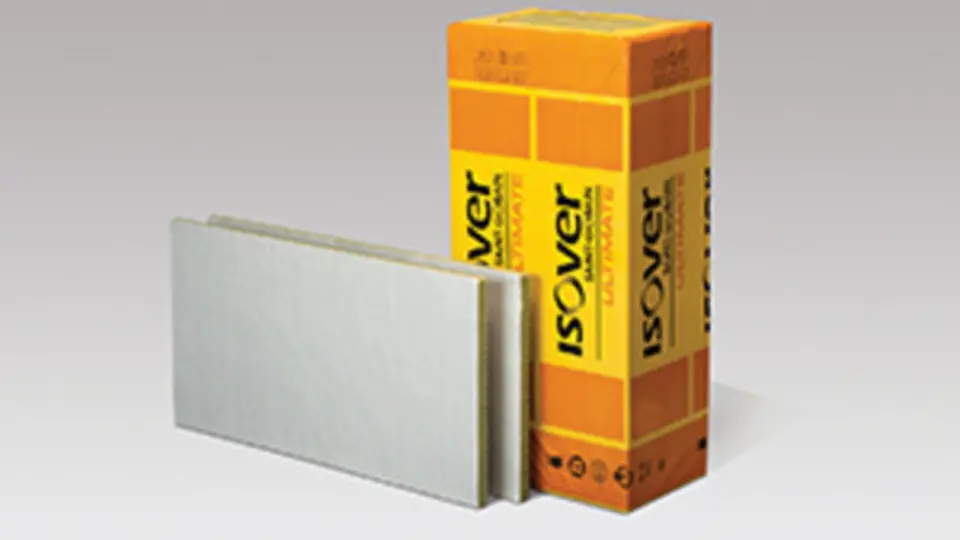
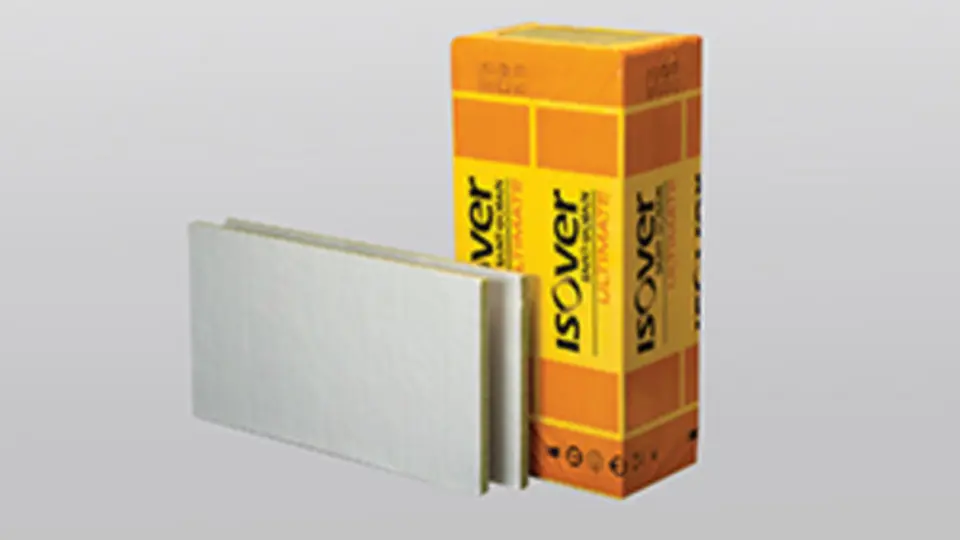
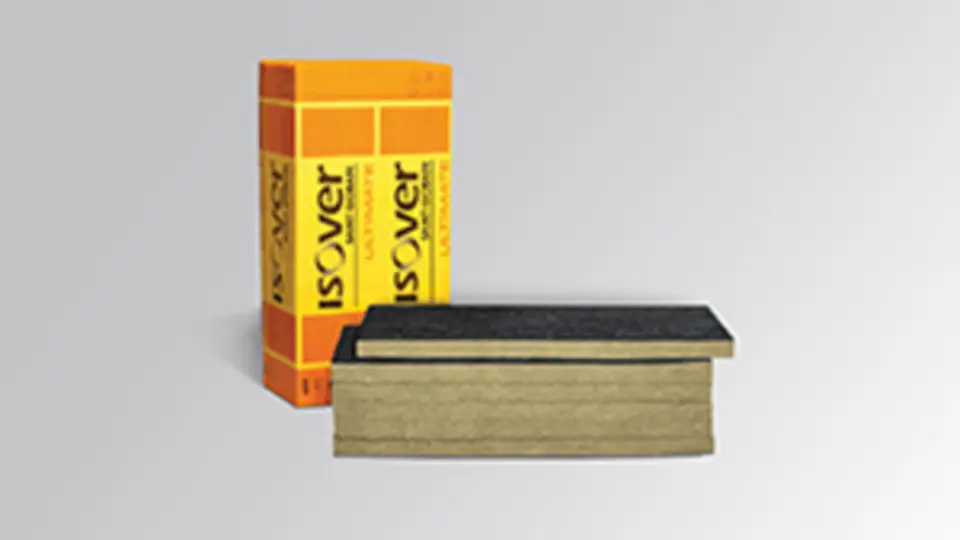
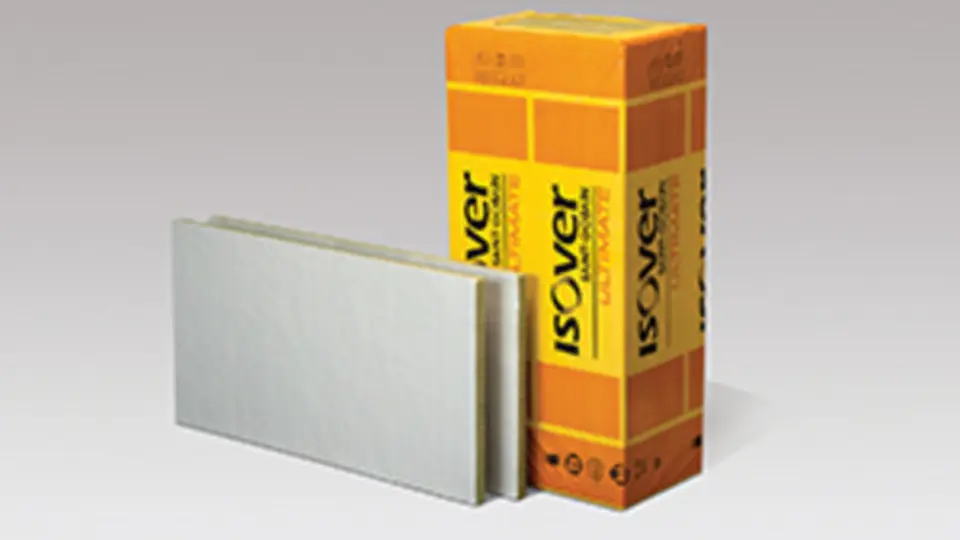
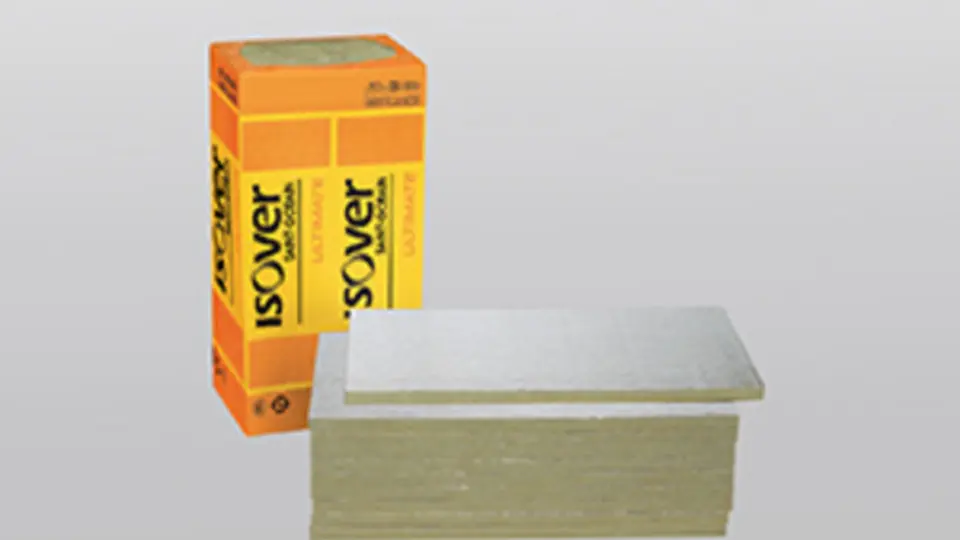
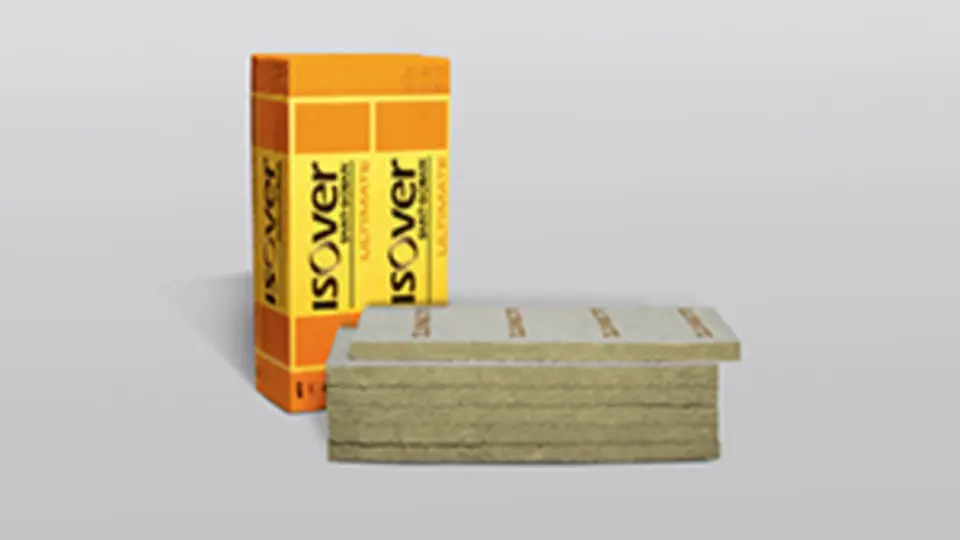
In aluminium shipbuilding, the importance of insulation extends beyond thermal considerations to include crucial aspects of fire safety. Our U SeaProtect® insulation solutions play a vital role in creating fire-resistant barriers, minimizing the risk of fire spreading and contributing to the overall safety of the vessel and its occupants. By installing our insulation materials designed to withstand high temperatures, the vessel is equipped for the challenges of fire.
Acoustic comfort
Another technical aspect of aluminium is its sensitivity to vibrations which makes sound insulation essential for aluminium ships. Vibrations, whether from hull movements in the water or from internal sources such as engines, can create unwanted noise levels on board. By using high quality sound insulation materials, the transmission of unwanted noise through the aluminium structure can be significantly reduced. This not only creates a more peaceful interior environment for the vessel's occupants, but also helps reduce noise related fatigue for a more serene and attentive crew.
Increased payload and fuel efficiency
One of the distinctive advantages of aluminium vessels over steel vessels is their light weight, providing excellent maneuverability and increased energy efficiency. It is therefore crucial to offer lightweight insulation solutions that complement this intrinsic characteristic of aluminium. By minimizing the impact on the overall weight of the vessel, our insulation solutions help to optimize the energy performance of the vessel. Reducing the overall weight promotes optimized payload and/or reduces fuel consumption, extends autonomy at sea, and provides a more sustainable sailing experience.
Durability and sustainability
In the quest for sustainable maritime practices, the use of aluminium in shipbuilding appears to be a relevant choice. Indeed, aluminium's resistance to corrosion not only extends the life of vessels, reducing the need for frequent replacements, but also minimizes the environmental impact associated with metal degradation. Moreover, as a fully recyclable material, aluminium fits into the principles of the circular economy, enabling the reuse of resources and a significant reduction in demand for new raw materials.
Insulation solutions for aluminium divisions and services
Insulation solutions
Our insulation solutions are always designed with safety in mind, incorporating features such as thermal and acoustic efficiency with reduced weight.
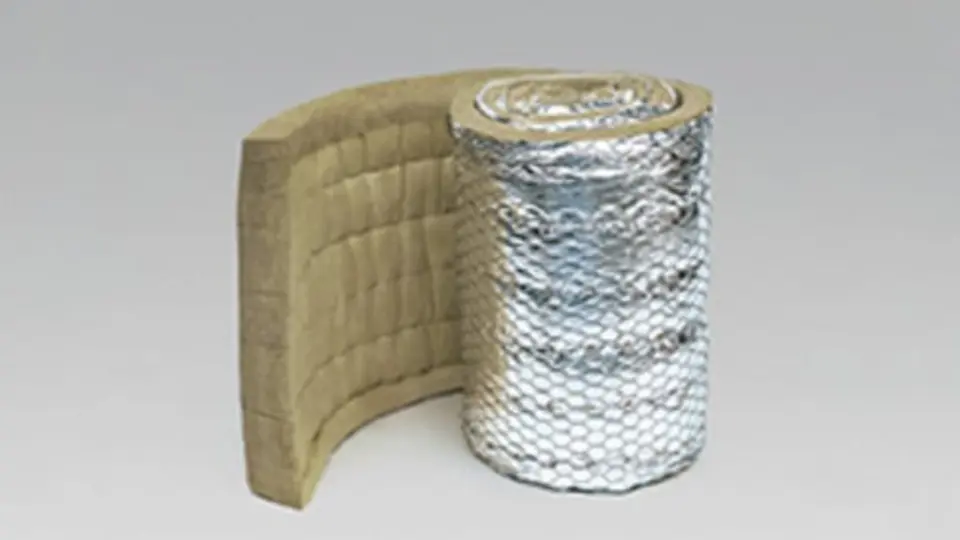
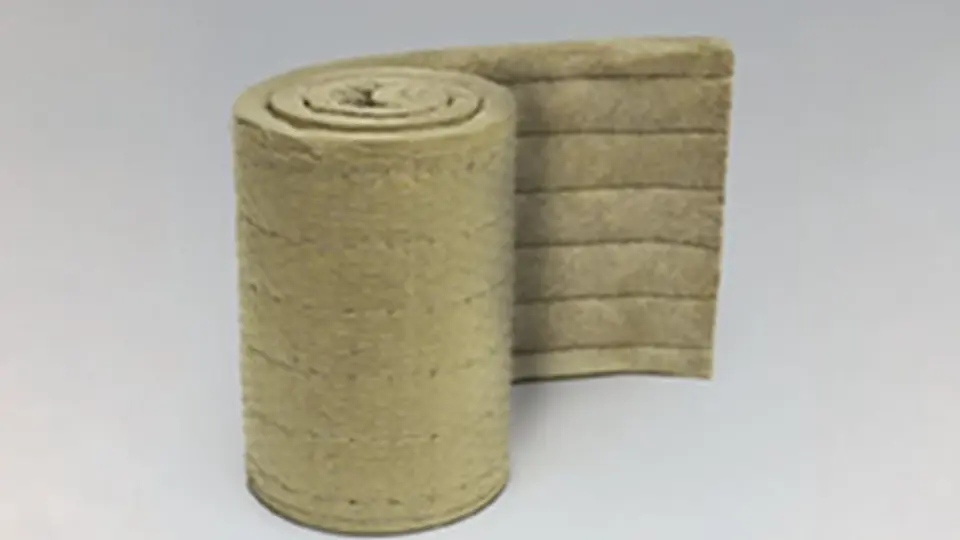
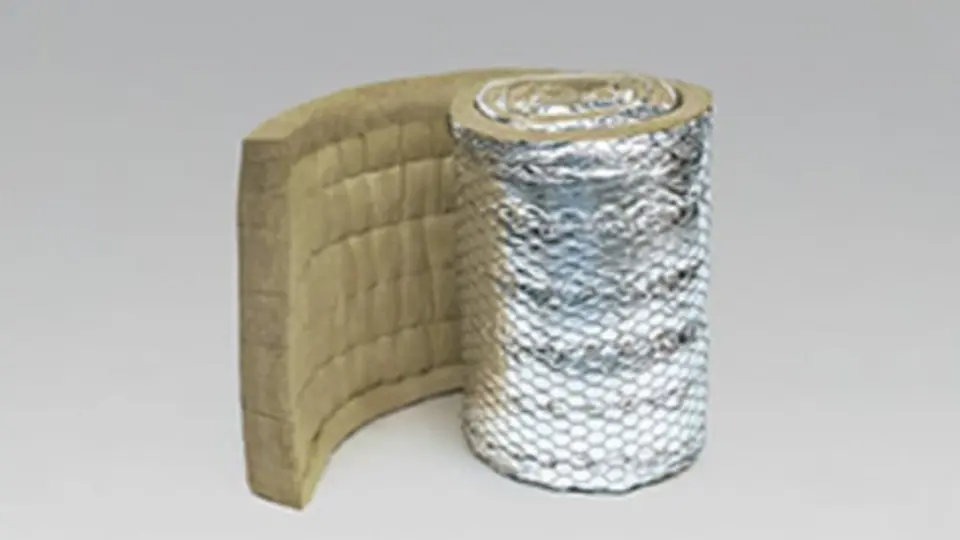
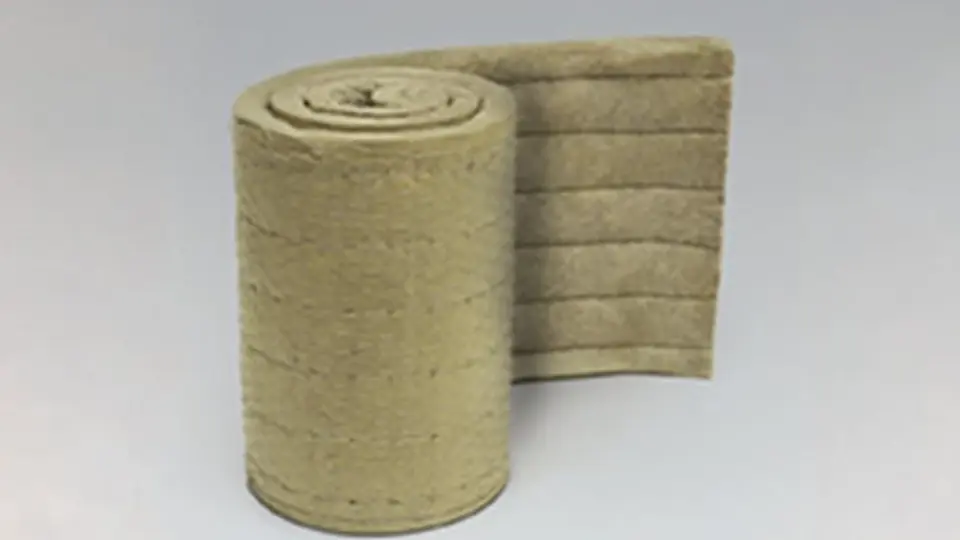
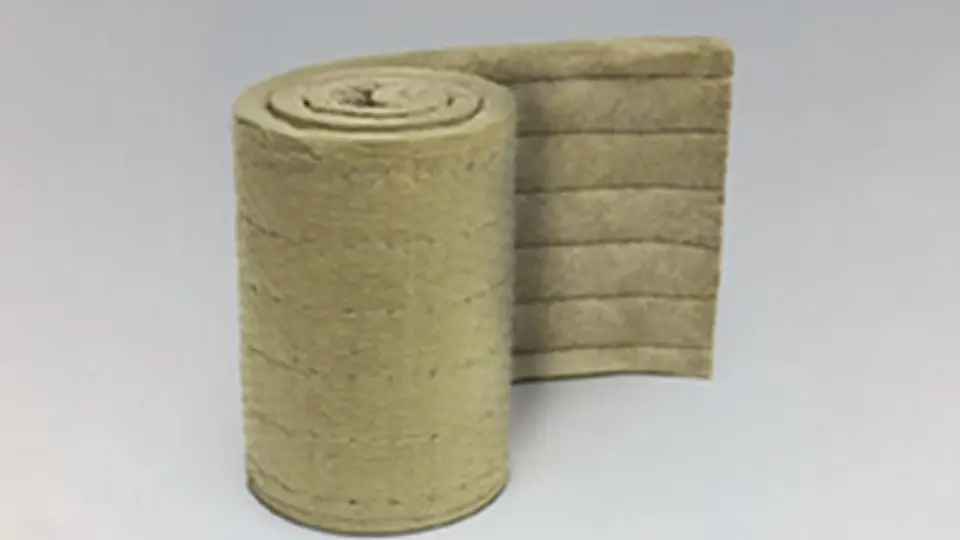
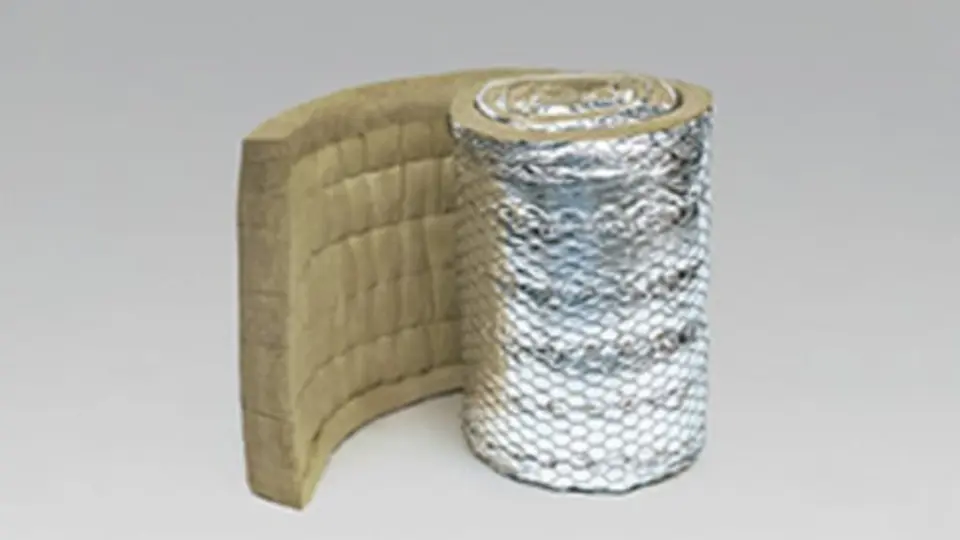
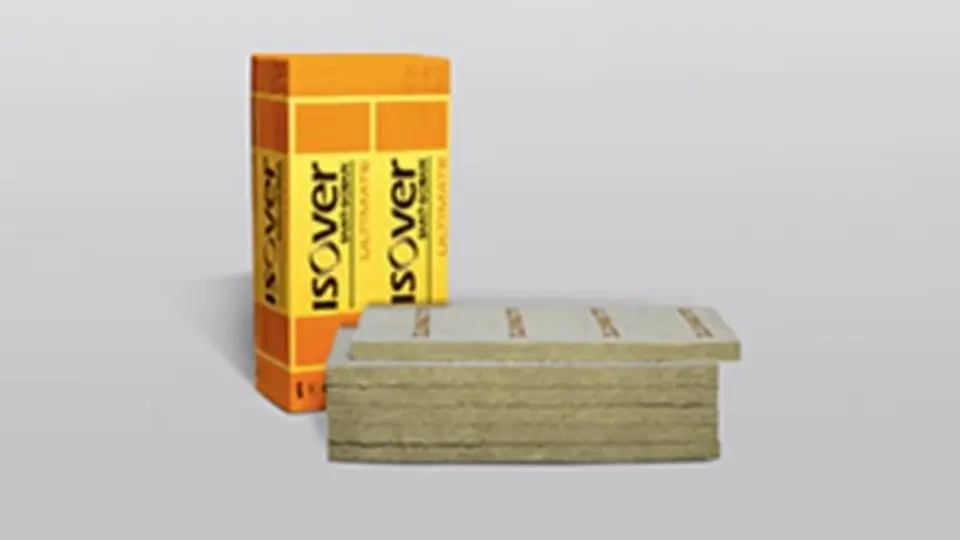
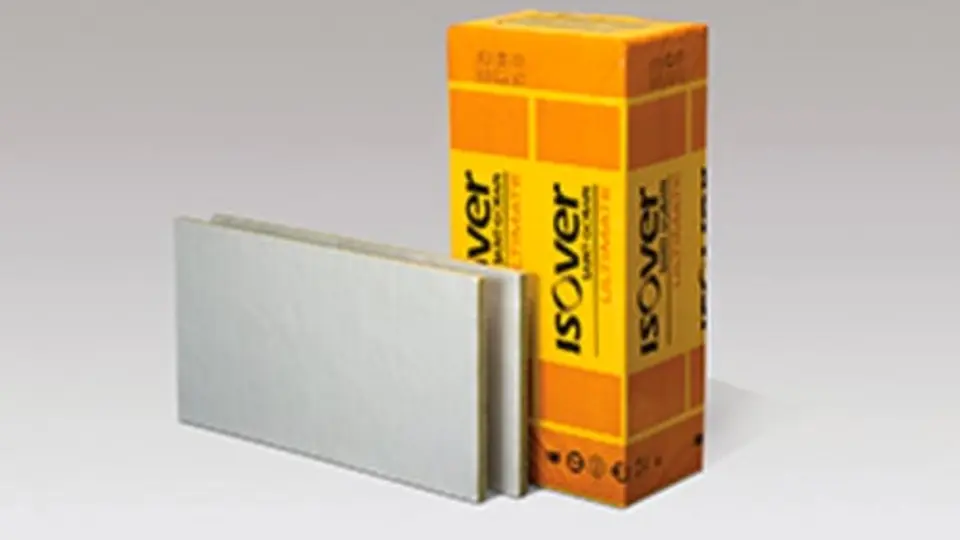
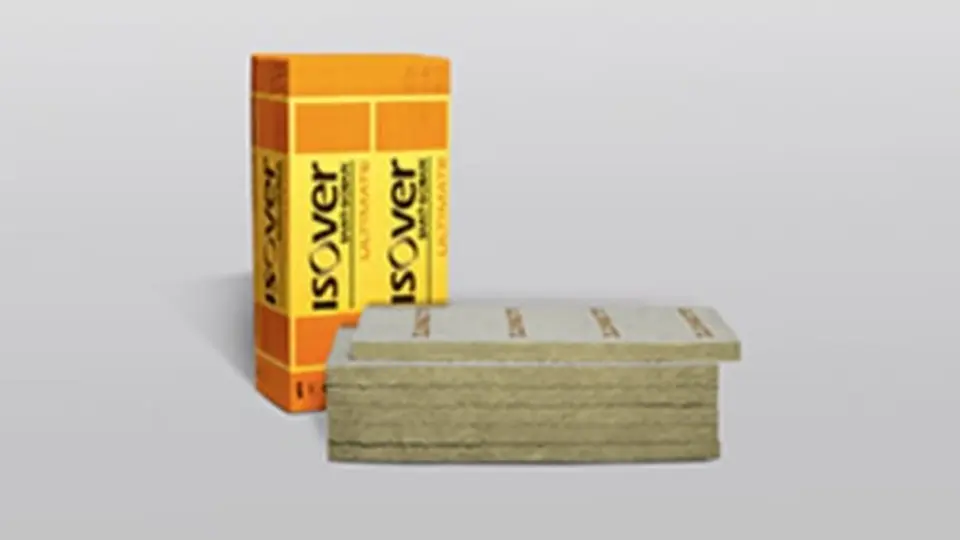
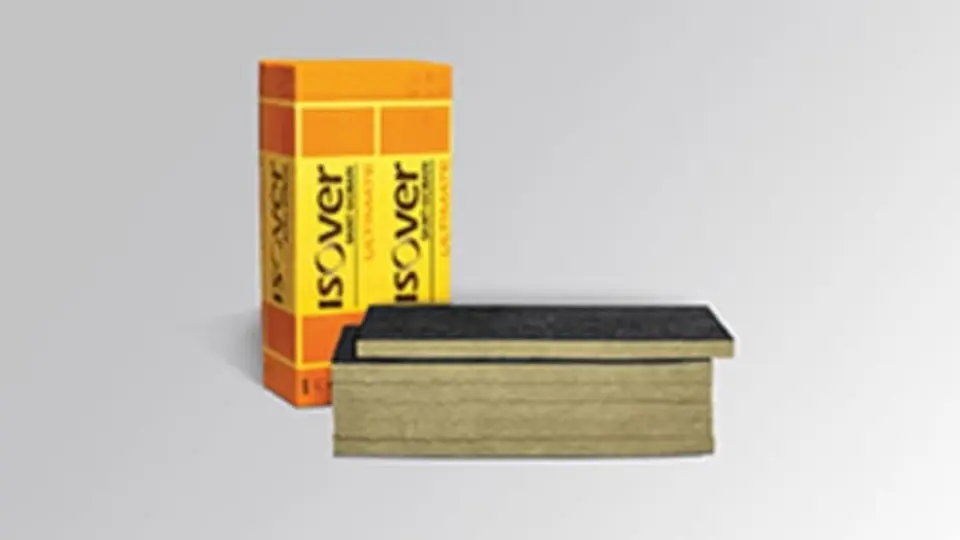
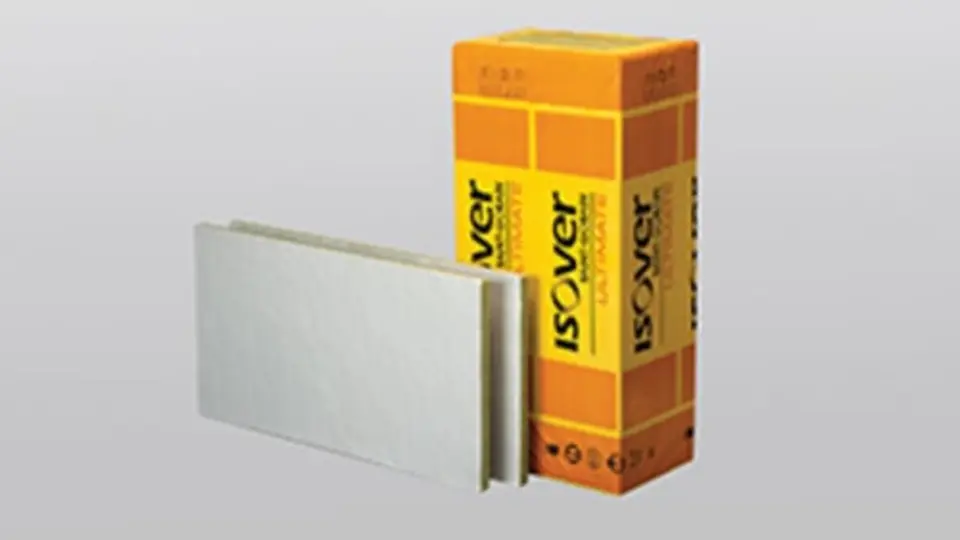
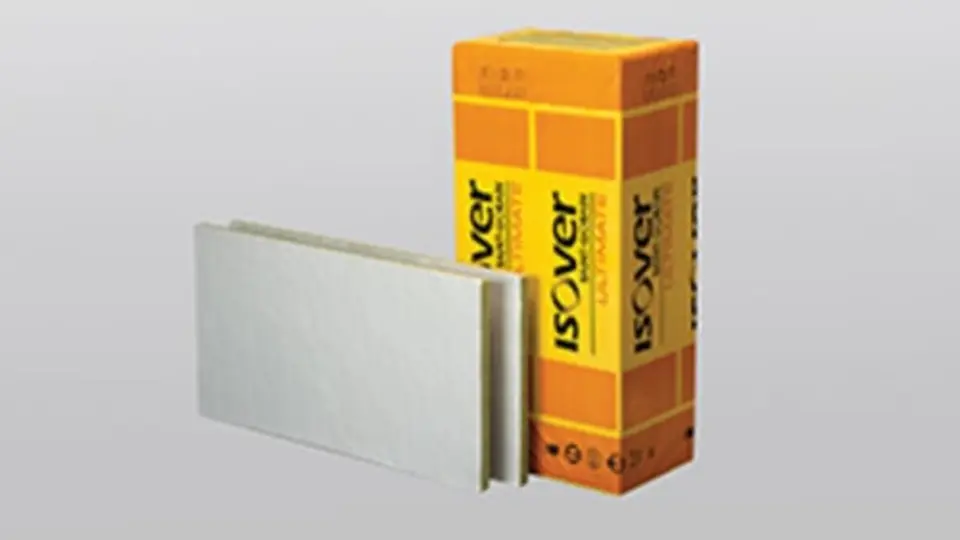
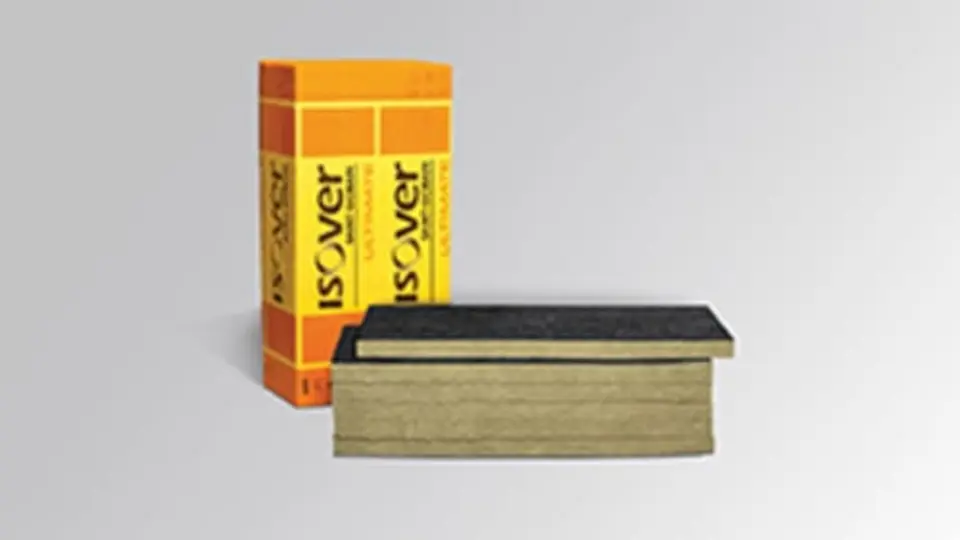
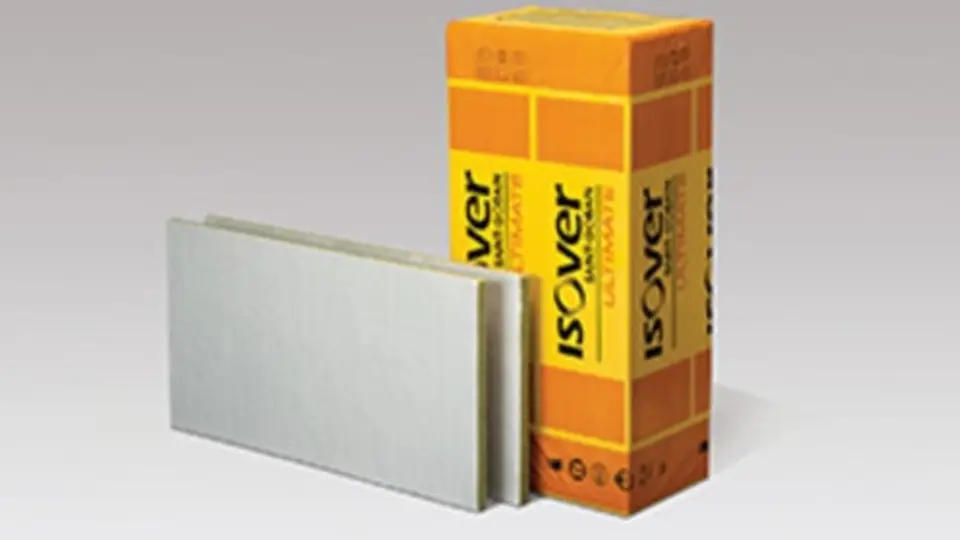
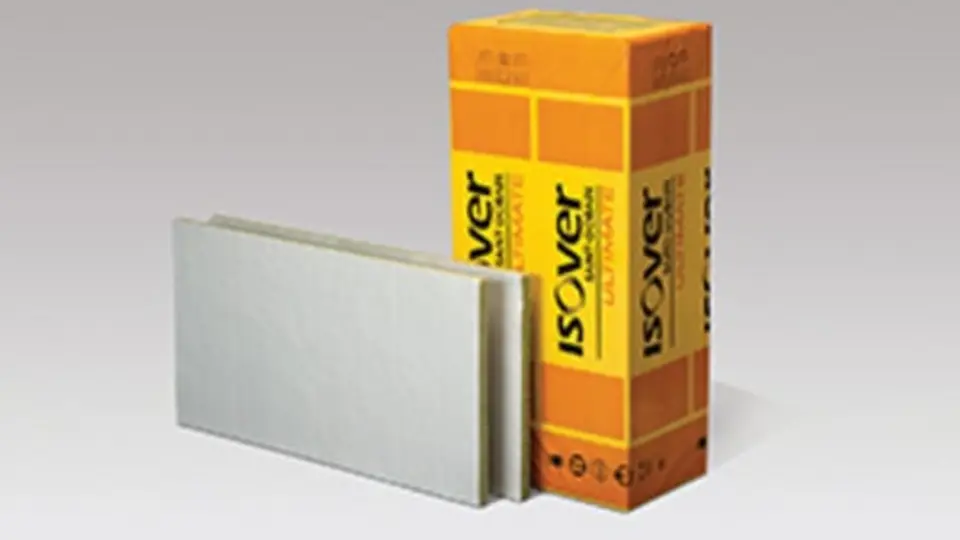
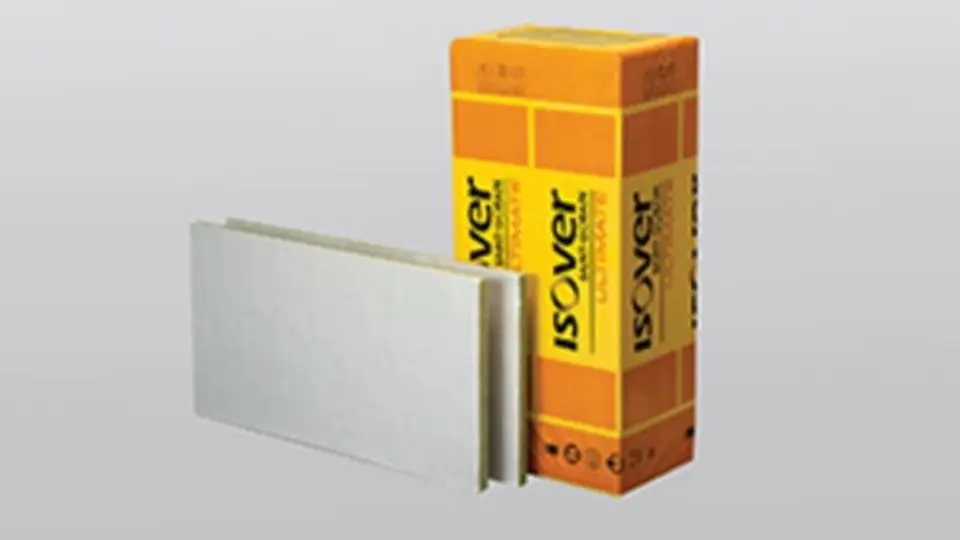
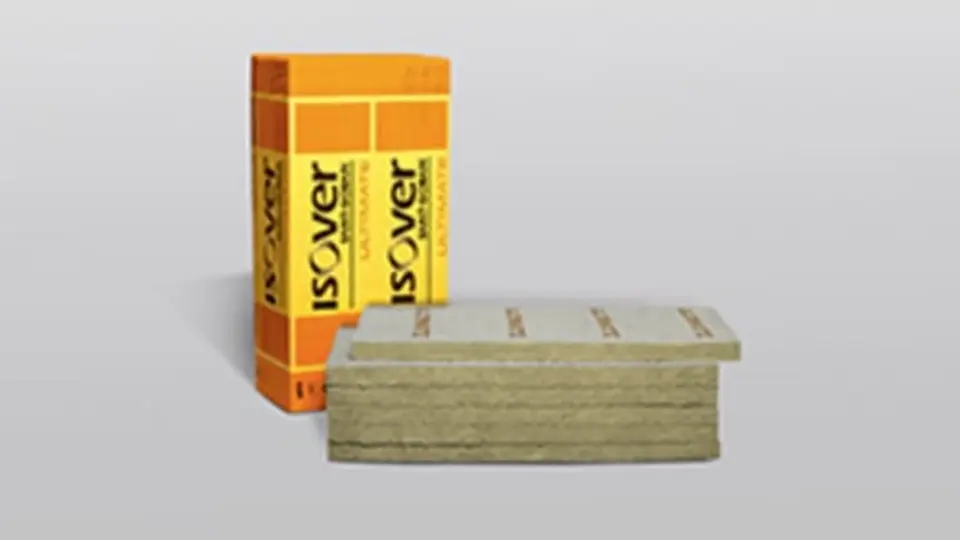
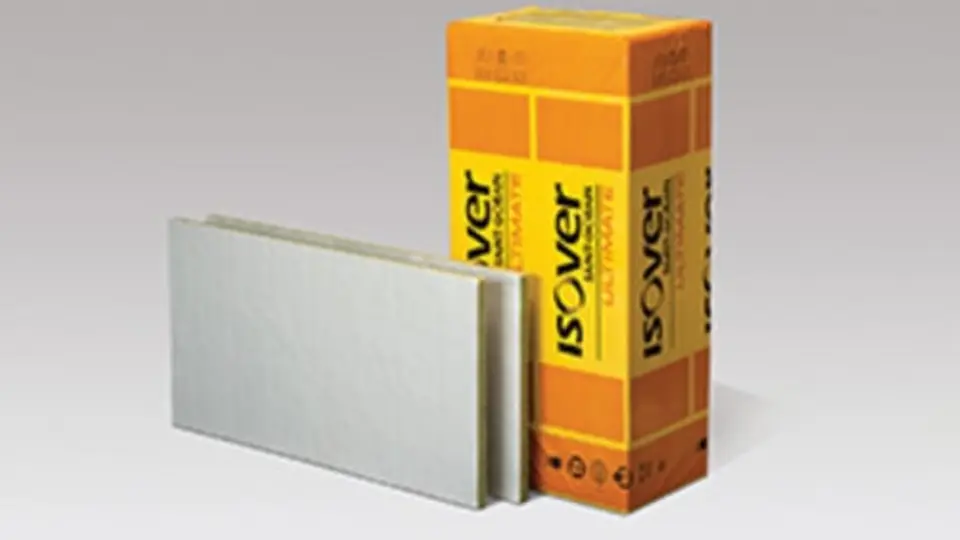
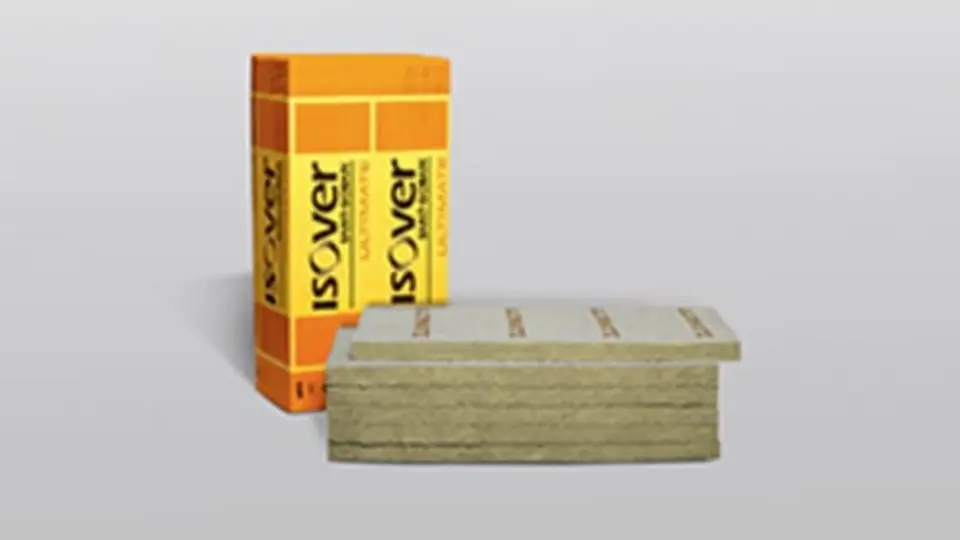
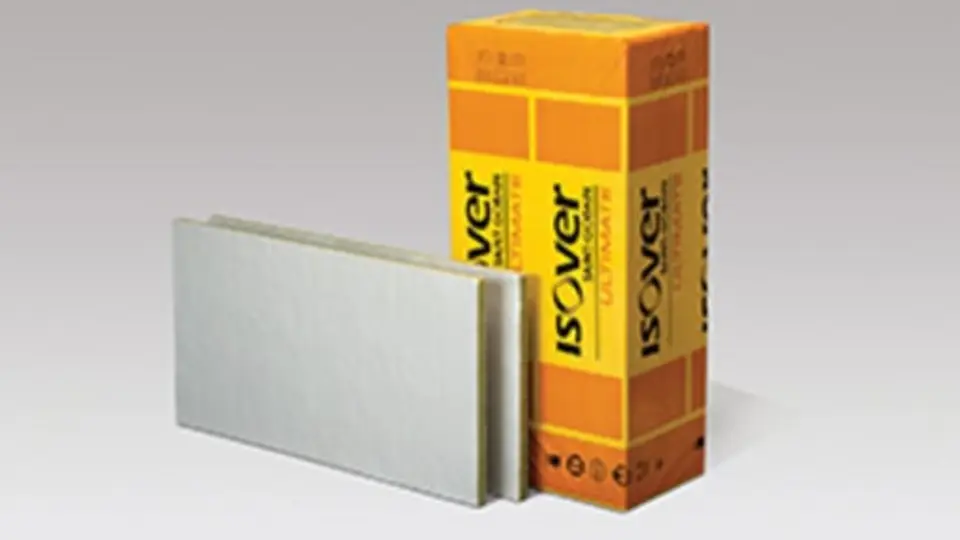
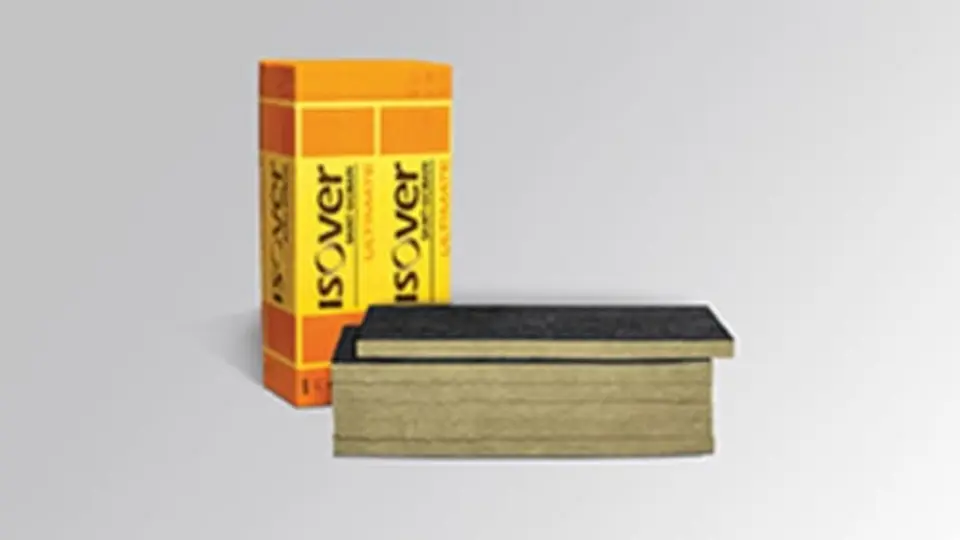
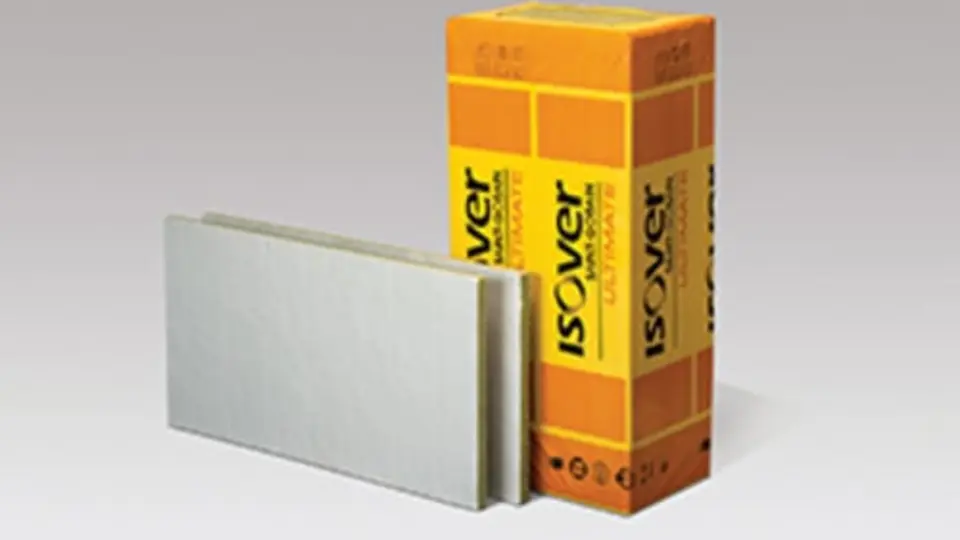
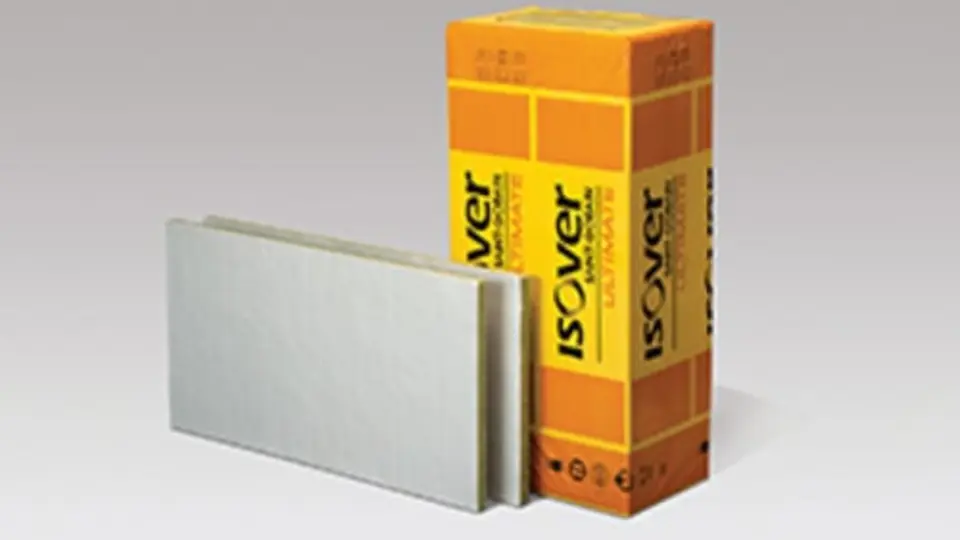
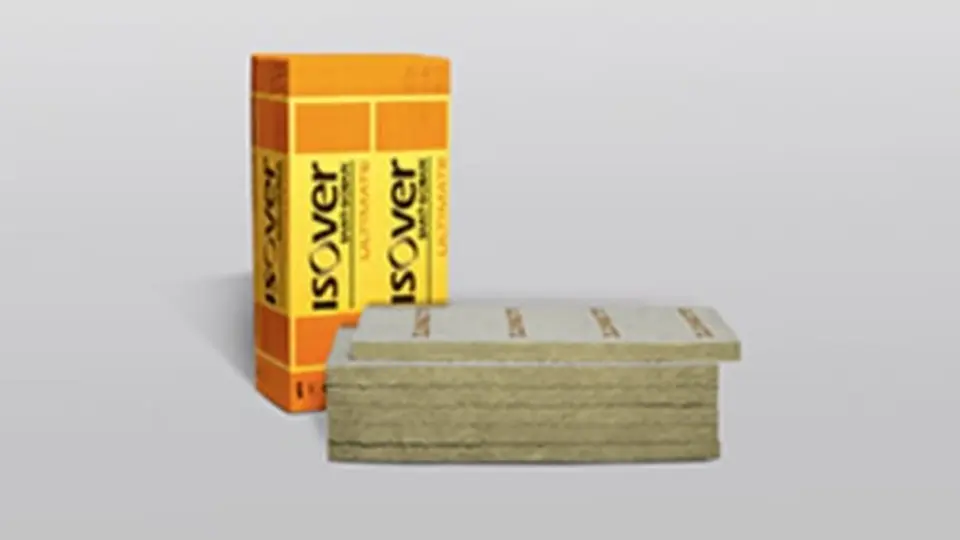
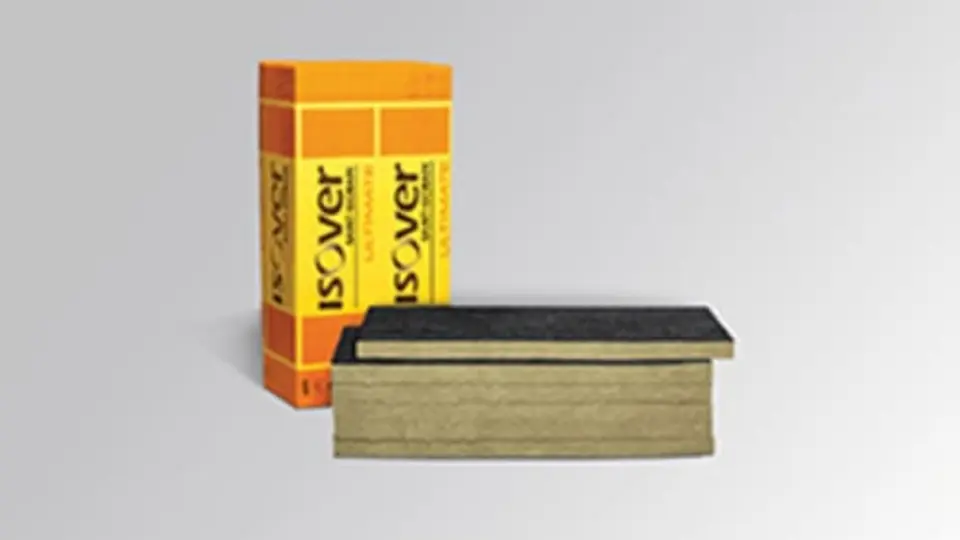
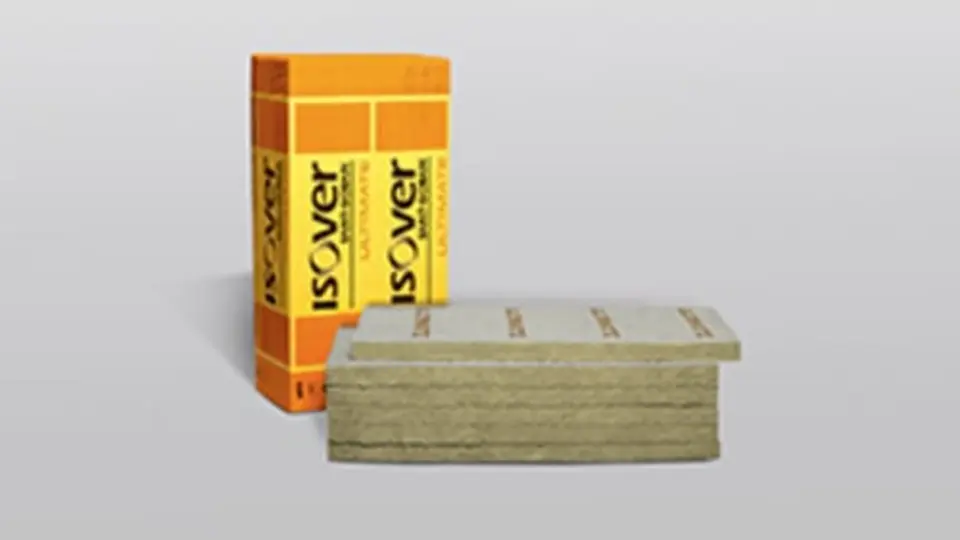
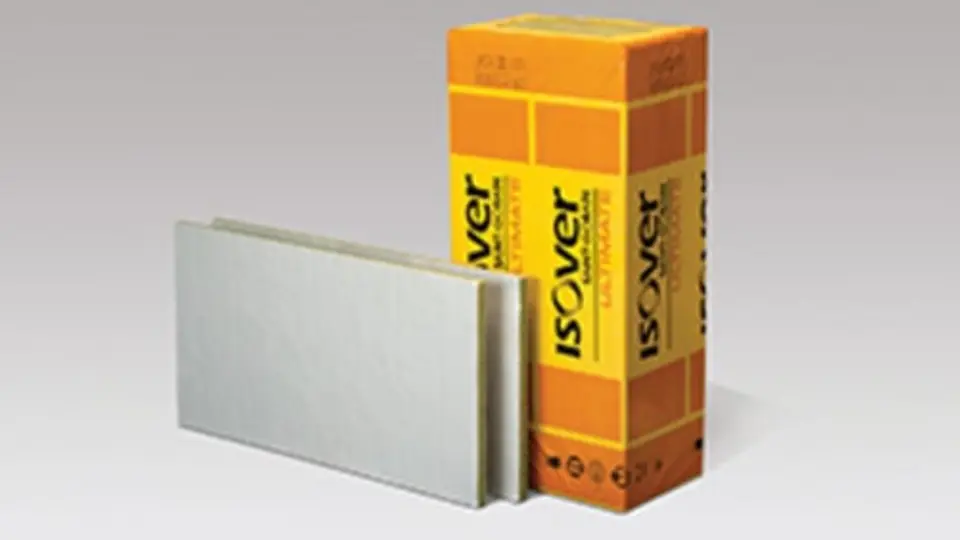
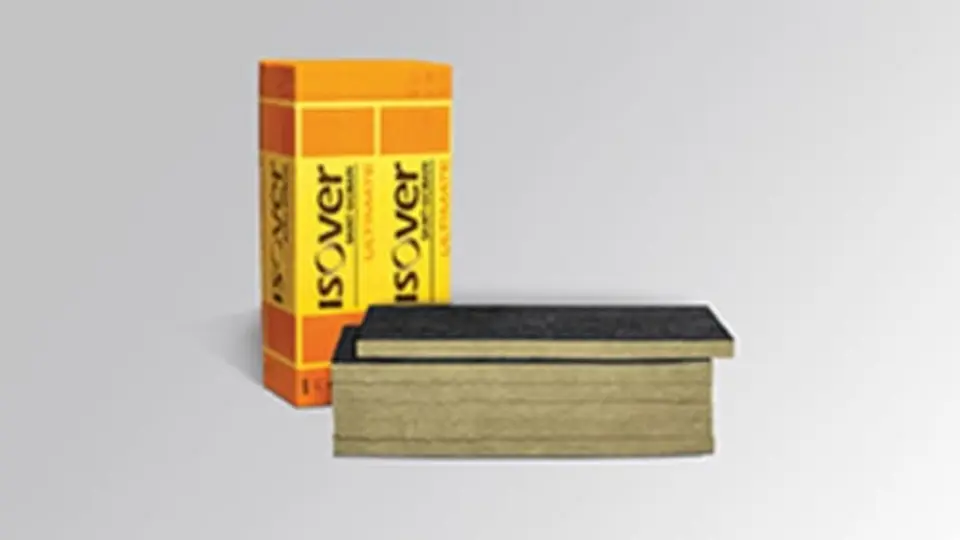
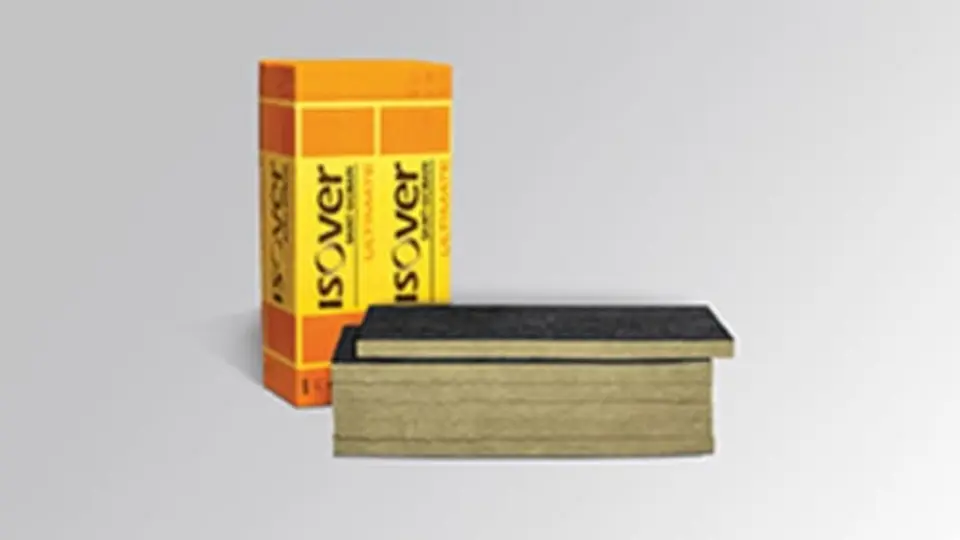
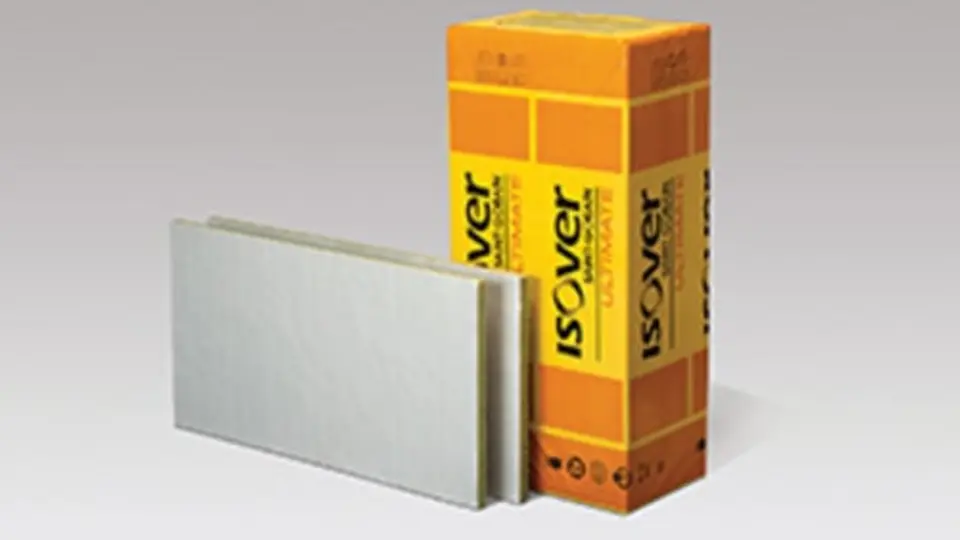
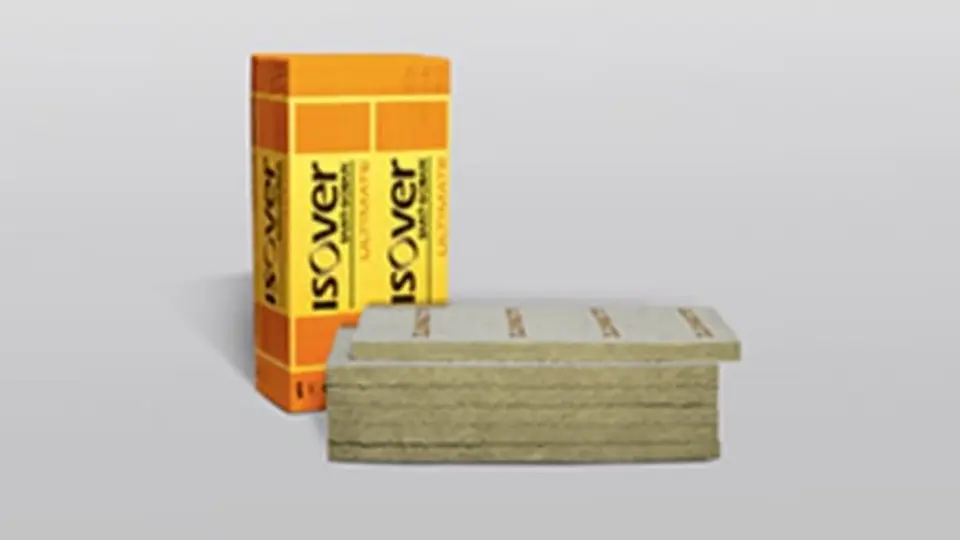
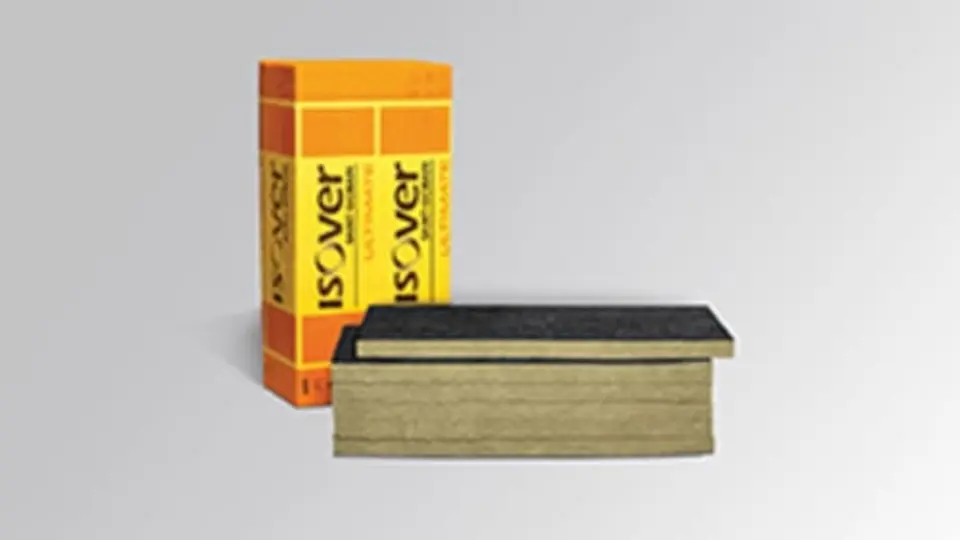
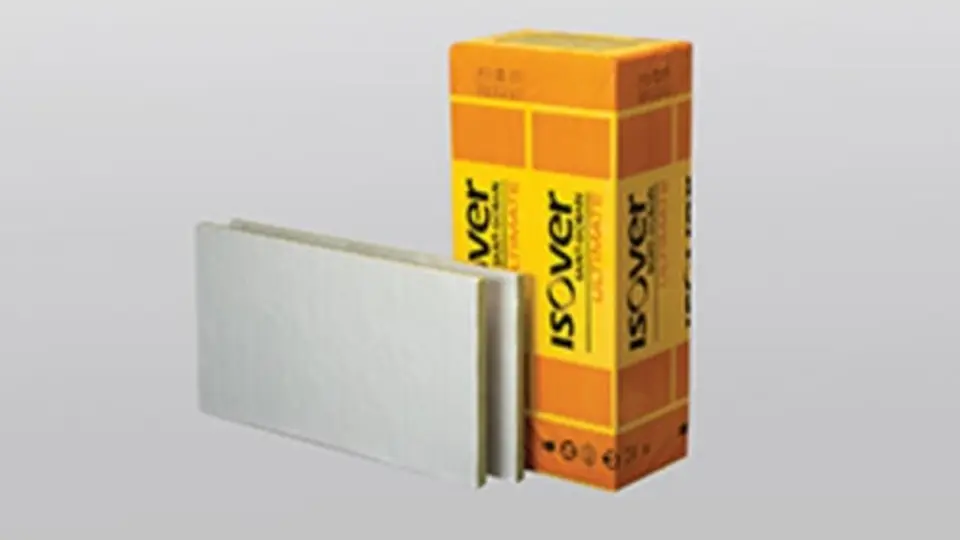
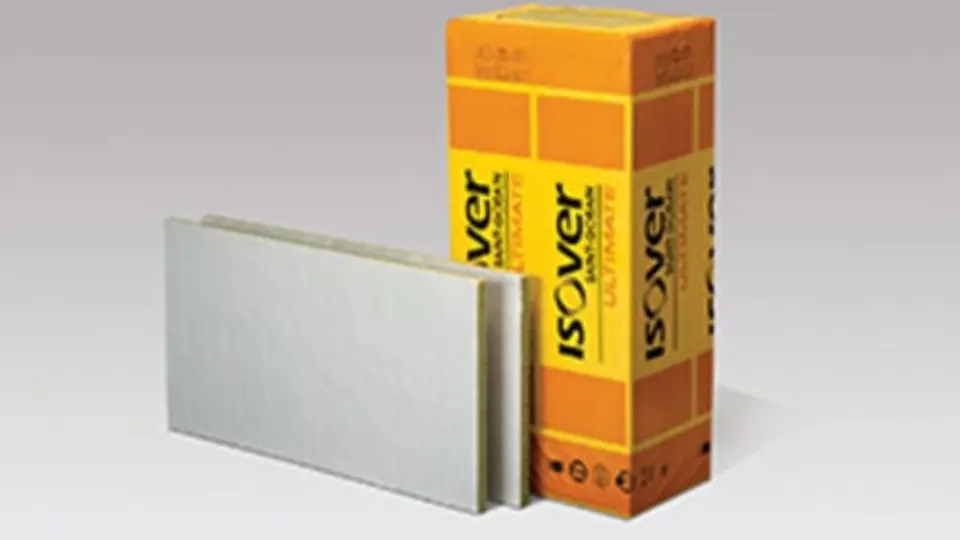
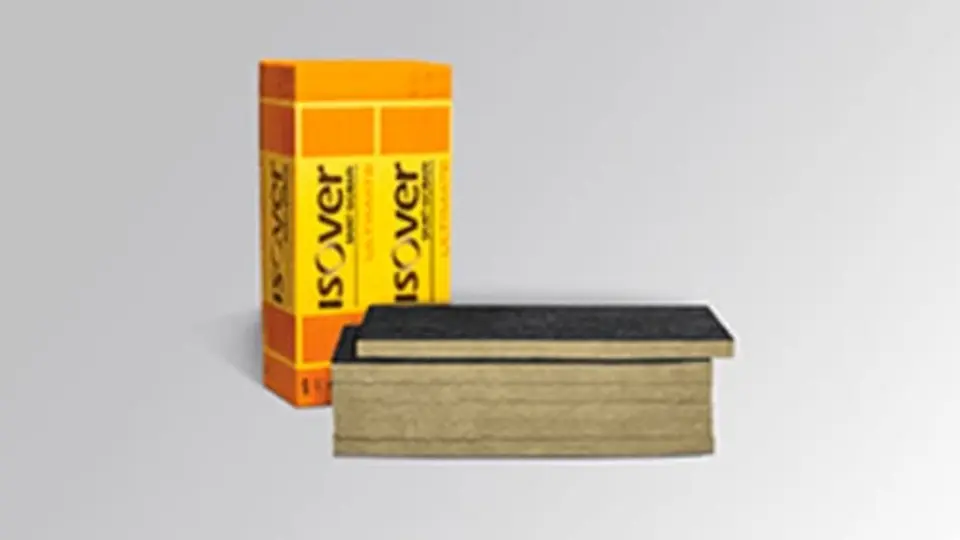
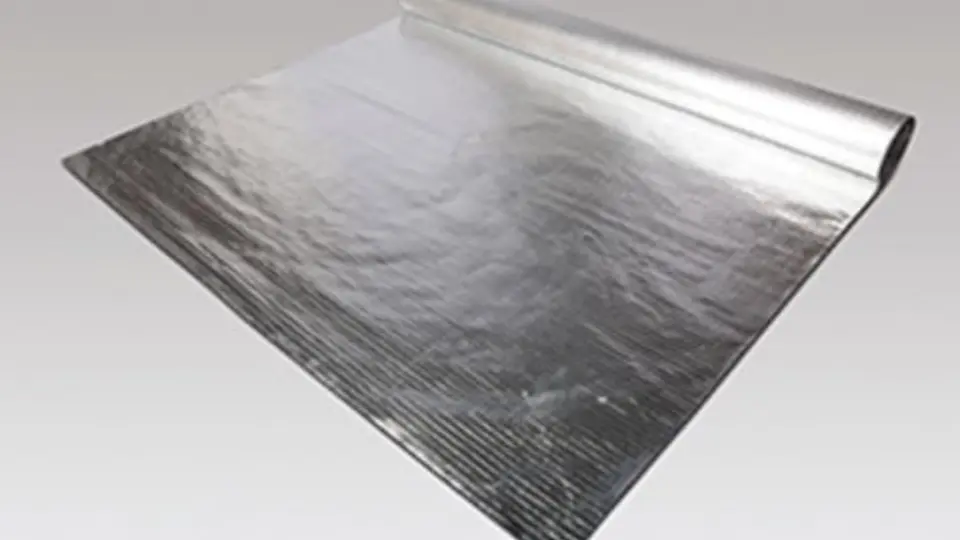
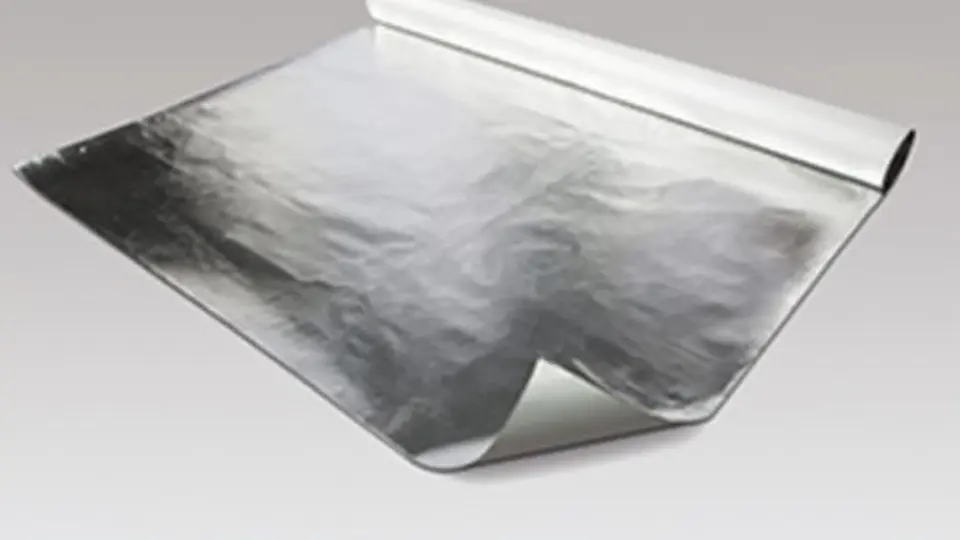
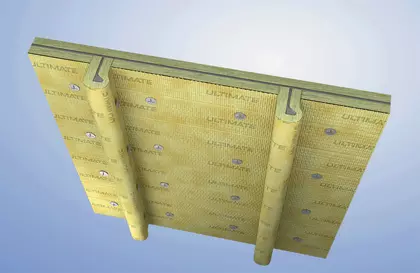
Our U SeaProtect® range includes tested and approved solutions for Class A aluminium divisions in 4 mm and 6 mm, providing weight and cost reduction for shipbuilders and ship-owners. Just as aluminium helps reduce the overall weight of the vessel compared to steel, thereby helping to improve the latter’s performance, our U SeaProtect® lightweight insulation solutions help to reduce the weight of your insulation package.
Select the best insolution solution for your project
To make the process of identifying the best insulation options for aluminium ships easier, we created the Marine Solution Selector. This tool will lead users to the best options by asking them to choose the vessel's primary material, define the area that needs to be insulated (bulkhead or deck), and refine criteria like fire class, weight, U-Value, and Sound Reduction Value.