

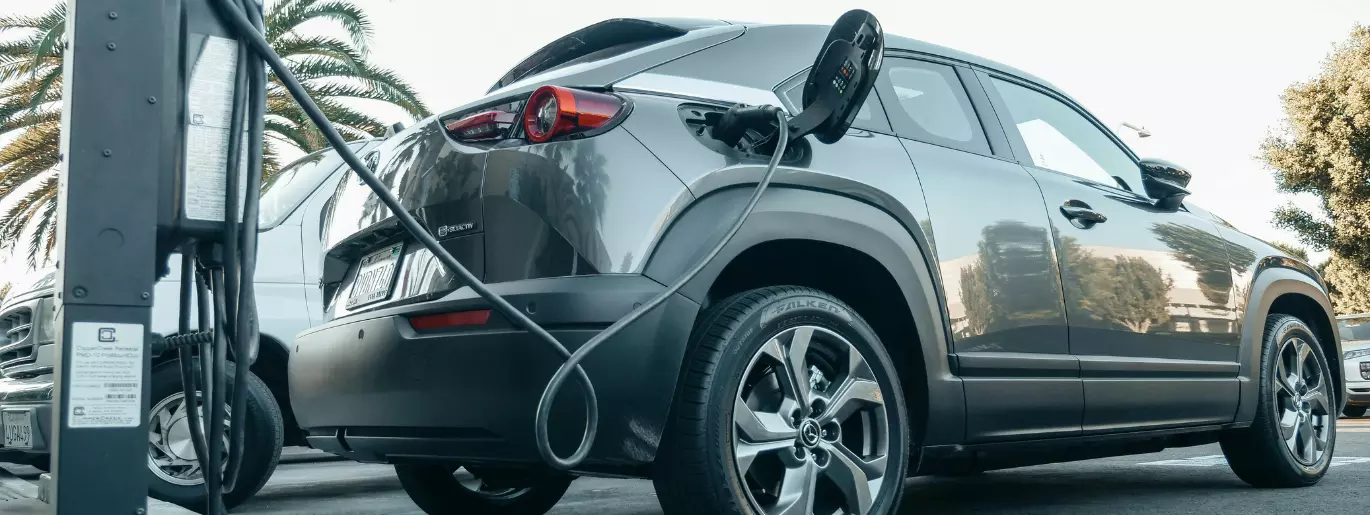
Electric cars are fueling change in global automotive manufacturing
Electric vehicles (EV) are emerging as one of the driving forces in the rapidly evolving global energy economy, leading to a monumental transformation in the automotive industry. According to the IEA’s annual Global Electric Vehicle Outlook, more than 10 million electric cars were sold worldwide in 2022, and the share of electric cars within the overall car market has increased from around 4% in 2020 to 14% in 2022.
This trend continues to accelerate, showing how the world is moving towards cleaner and more sustainable ways to travel. This growth is powered by new technologies, support from governments, and people wishing to make more environmentally conscious choices. One of the big changes is in battery technology, which means electric cars can now travel further on a single charge, making them a viable option for more people.
As the market continues to evolve, choosing the right electric car becomes crucial for consumers. Choosing an EV that not only meets individual lifestyle and driving requirements, but also prioritizes safety, sustainability, and performance, is crucial to fully enjoying the benefits of electric mobility.
At the heart of every electric car is its battery
At the core of every electric vehicle (EV), 100% electric or hybrid, lies its battery system, an indispensable component that contributes to powering the car and enabling it to travel long distances at high speeds.
Thanks to new developments in battery technology, many new EVs offer ranges that can exceed 300 kilometers on a single charge, with some of the top models pushing beyond 500 kilometers, sometimes even 600 kilometers, under optimal conditions. This is a big step forward, making EVs more useful for daily needs and longer journeys.
These advanced batteries also charge faster, which means less waiting and more driving pleasure, an important improvement, because it allows more people to favour EVs.
Understand the key benefits of battery insulation in vehicles
Insulating an electric battery in a car is not just about adhering to safety standards; it is about enhancing the vehicles’ performance, extending the battery’s lifespan, improving its efficiency, and protecting it from external hazards. In other words, insulation contributes to more reliable, durable, and safer cars.
Insulation is a crucial aspect of battery technology in today’s cars, serving several key purposes, including thermal insulation, electrical insulation, and physical protection.
- Thermal insulation: insulation maintains the battery within its optimal temperature range during operation and charging. Batteries generate heat during use and charging, and excessive heat can degrade battery performance, lifespan, and safety.
- Electrical insulation: it prevents electrical short circuits between different components of a car’s battery, such as between the positive and negative electrodes, which can lead to battery failure or even safety risks like fires.
- Protection: insulation protects the battery from external physical damage and environmental factors, such as moisture, which could lead also to internal short circuits or degradation.
With our advanced battery insulation solution, we are committed to enhancing the safety, efficiency, and durability of electric or hybrid cars.
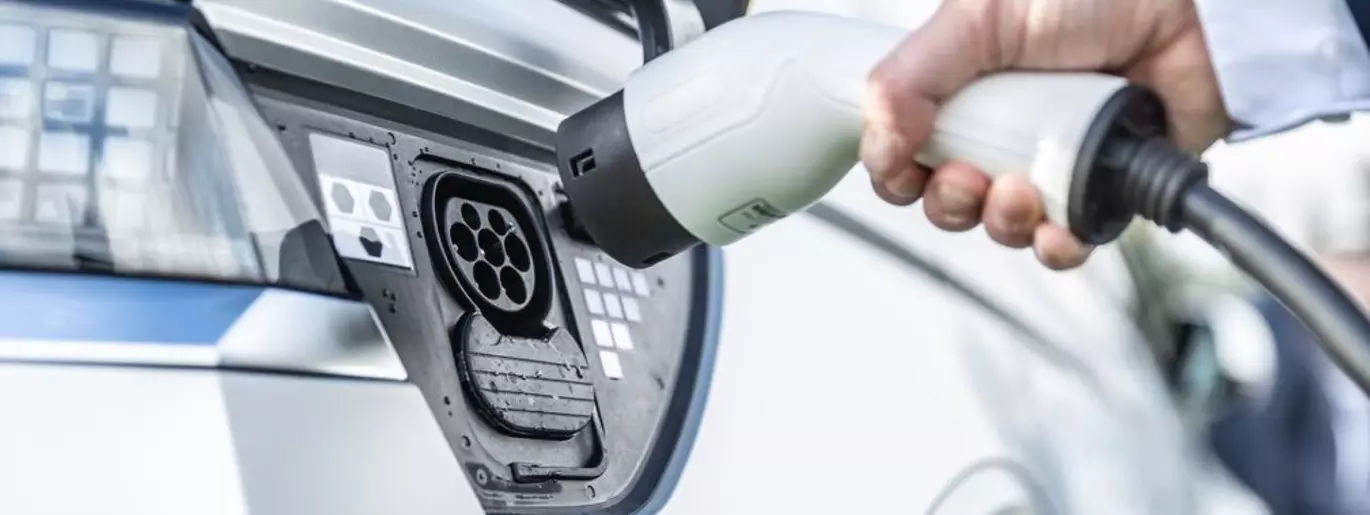
Understand battery-related risks in electric cars
Electric vehicles (EVs) present several battery-related risks that manufacturers and users need to be aware of. Understanding these risks is crucial for ensuring the safety, reliability, and longevity of EVs.
- Thermal runaway: This is a risk where the battery's temperature can escalate quickly and uncontrollably, leading to fires or explosions. It can be caused by defects, overcharging, or damage to the battery.
- Overcharging and deep discharging: Charging a battery beyond its capacity or allowing its charge to drop too low can damage the battery. This not only reduces the battery's lifespan but can also pose safety risks.
- Short circuits: Short circuits can occur if the battery's internal components come into contact with each other due to damage or manufacturing defects. This can lead to sudden fires or explosions.
- Deterioration over time: Like all batteries, EV batteries degrade over time. This degradation can lead to reduced performance and range. In some cases, it can also increase the risk of thermal runaway.
- Environmental conditions: Extreme temperatures can affect a battery's performance and safety. High temperatures can increase the risk of thermal runaway, while low temperatures can reduce efficiency and range.
- Physical Damage: Accidents or impacts can cause physical damage to the battery, leading to short circuits or even thermal runaway.
To mitigate these risks, it's important for manufacturers to invest in advanced battery insulation and safety features.
Battery insulation contributes to fire protection
The insulation of a car battery and the measures taken to reduce the risks associated with a fire are of paramount importance to safety. In the event of a fire, insulation reduces the risk of rapid flame spread and fire intensification, which can save lives and prevent significant material damage.
At Isover, we are committed to adopting appropriate insulation and safety measures, by providing solutions that prevent electrical short circuits between critical components, keeping the car safe from potential battery failures or fire hazards.
Our battery insulation solution
At Isover, we understand the importance of protecting the battery’s performance and ensuring its longevity. That is why we are pleased to introduce our solution of automotive battery insulation Thermoset Fire+ Felt.
Automotive Thermoset Fire+ Felt for battery insulation is not only designed for easy installation but also to protect the battery from engine heat or other environmental factors, such as corrosion, which expands the lifespan of the battery.
These are some key benefits of our Automotive Thermoset Fire+ Felt:
- Fire-resistant insulation: The use of our fire-resistant insulation materials significantly enhances the safety of cars by providing critical time for occupants to safely exit the car in the event of a battery fire and for emergency services to respond, thereby reducing the risk of injury or death.
- High-thermal resistance: Our insulation offers excellent thermal resistance, which helps maintain a constant temperature around the battery. This protects the battery from temperature fluctuations and ensures optimum performance.
- Acoustic insulation: In addition to thermal insulation, our solution can also provide acoustic insulation, which can be beneficial in some cases to reduce the noise generated by the car's electrical components.
- Ease of installation: Our insulation solution is also lightweight and flexible, making it easy to install around the battery and in tight spaces in the battery compartment.
- Vibration resistance: Our insulation can absorb vibrations, helping to protect the battery from damage caused by bumps and knocks while driving.
Product range
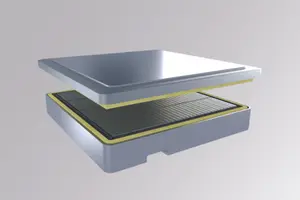
Automotive Thermoset Fire+ Felt
Insulation specially designed for battery protection of hybrid and electric vehicles