Sound insulation for a quieter and more comfortable driving experience
Sound insulation is a critical aspect of automotive design. It refers to the use of materials and techniques to minimise the transmission of noise from various sources, such as the engine, road, wind, and other vehicles, into the interior cabin or from the vehicle to the environment
First, sound insulation reduces the intrusion of external sounds such as traffic, wind, and road noise, providing a quieter and more comfortable cabin environment. It also minimizes noise from the vehicle's engine, drivetrain, and other mechanical components, contributing to a more pleasant driving experience.
Second, sound insulation improves safety. A quieter cabin allows the driver to focus better on the road and be more aware of important sounds such as sirens or warning signals, enhancing overall safety.
And finally, the right acoustic insulation contributes to a refined driving experience; a reduction in noise can make the vehicle feel more luxurious and well-built, improving customer satisfaction and perceived vehicle quality.
Sound insulation to reduce noise pollution and comply with regulations
While the primary focus of automotive sound insulation is on enhancing the in-cabin experience by blocking external noise and reducing internal noise, it also contributes to limiting the noise generated by the vehicle towards the environment.
Acoustic insulation, and specifically the engine compartment insulation, is key to adhering to noise pollution regulations and standards set by governments and organizations, particularly in urban areas. By reducing noise pollution, insulation contributes to lower overall noise pollution, which benefits the community by creating quieter and more pleasant urban environments.
Overall, noise reduction in cars is vital for improving comfort, safety, and quality for occupants, while also addressing environmental and regulatory concerns.
Materials used in sound insulation
One of the primary goals of sound insulation in vehicles is to dampen noise generated by the engine and other mechanical components. This is achieved by using specialised materials, such as acoustic foams, barriers, and damping pads, strategically placed in key areas of the vehicle, including the engine compartment, firewall, doors, floor, and ceiling. These materials absorb and block sound waves, reducing engine noise, vibrations, and road noise transmitted to the cabin.
Acoustic insulation for engine compartments
In the engine compartment, sound insulation materials are applied to surfaces surrounding the engine and other mechanical components. This helps to absorb the mechanical vibrations and dampen the sound produced by the engine's operation, resulting in a quieter ride for the driver and passengers.
Acoustic insulation for battery compartments
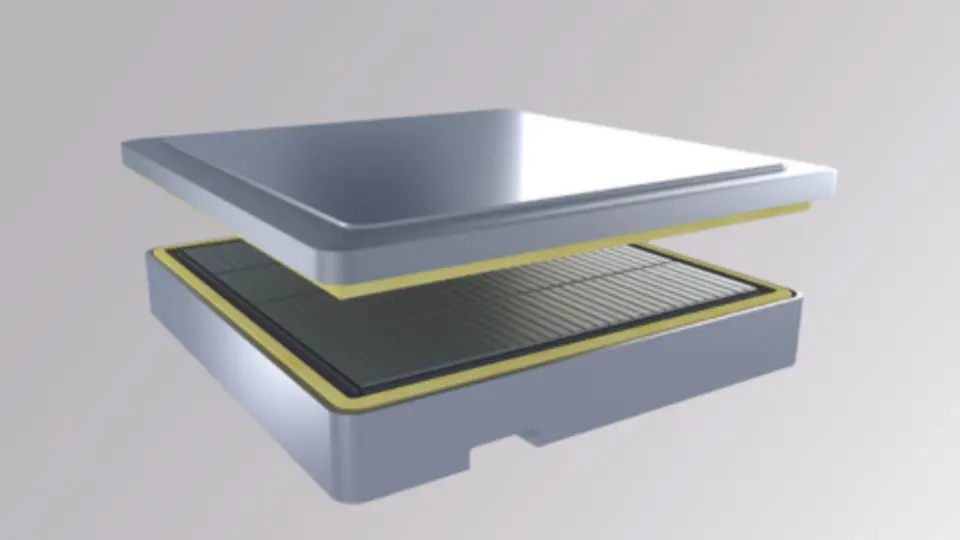
In battery compartments of electric or hybrid vehicles, , sound-absorbing materials are often used to dampen noise and vibrations generated by the batteries and other components. Acoustic foams, damping pads, and sound-deadening mats are commonly employed for this purpose.
Isover acoustic car insulation solutions offer many additional benefits
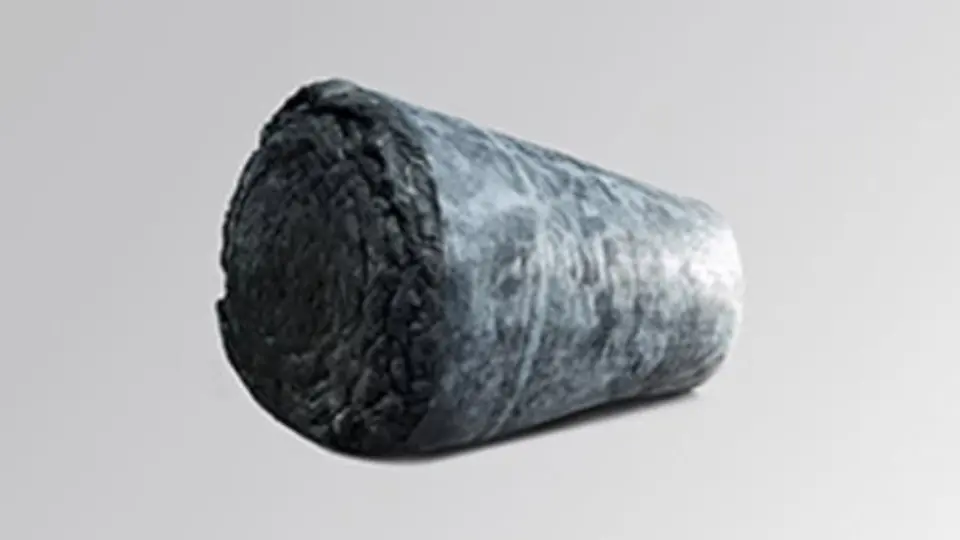
Certified according to the EU No 540/2014 Pass-By Noise standard, Isover automotive insulation combines excellent thermal, fire and acoustic properties in one lightweight solution that is easy to install.
- For users
Isover automotive insulation products offer high levels of acoustic absorption, especially for mid and high frequencies, to provide a quieter environment inside and outside the vehicle. In addition, our glass wool products also guarantee a strong barrier against heat loss, maintaining the right temperature to optimise engine performance and reduce CO2 emissions.
Made from 80% recycled glass, Isover glass wool helps limit the environmental impact of the vehicle. Moulded parts with Isover insulation materials also maintain excellent mechanical resistance and stability throughout the vehicle lifetime. Meeting strict fire safety standards such as ISO 5660 and ISO 5658, Isover non-combustible automotive insulation products help make the vehicle safer for users.
- For specifiers
Resisting high temperatures, Isover acoustic insulation materials can be installed closer to hot engine parts to reduce noise emissions close to the source. The lightweight all-in-one product also reduces the overall weight of the vehicle.
The materials help to fulfil automotive standards including FMVSS302 and, depending on the surface material, are designed to meet fire tests for ISO 5660 and ISO 5658. Made from 80% recycled glass and helping lower CO2 emissions, Isover thermo-acoustic insulation helps improve the vehicle’s Life Cycle Assessment in line with environmental management standards.
- For installers
Isover automotive insulation is easy to transform, between 200 and 210°C, and lightweight – offering the same acoustic absorption as cotton with just half the weight. Our insulation mats are flexible without cracking even at low gram-weights. Their mechanical strength means that fewer brackets are required, simplifying, and speeding up installation.
Shaping the future of automotive sound insulation
In recent years, advancements in material science and manufacturing processes have led to the development of innovative sound insulation solutions that offer superior performance while being lightweight, durable, and sustainable. These advancements enable automakers to meet stringent noise regulations and customer expectations for quieter and more refined vehicles.
Sound insulation is an essential aspect of automotive engineering, enhancing comfort, reducing noise pollution, and elevating the overall driving experience for passengers. As technology continues to evolve, the automotive industry will continue to innovate and improve sound insulation solutions to meet the ever-changing needs and preferences of consumers.
Did you know...?
ISOVER participated in the ECOBEX (acronym in French for external noise abatement using optimised screens) project with the aim of decreasing the noise of passing car engines, in line with targets set by the EU for 2024 and ISO 362. How? Reduce propulsion unit sound emissions by optimising the dimensions and treatment of acoustic materials. The consortium led by Vibratec worked with other key industry partners including Renault Group and Mecacorps.