Fire safety in cars
Fire safety in cars is crucial for protecting occupants and minimizing damage. In today's automotive industry, securing vehicles from fire hazards is of paramount importance. With the increasing complexity of vehicle systems and components, the risk of fire-related incidents has escalated due to several factors.
First, modern vehicles are equipped with more complex electrical and electronic systems, which can pose higher fire risks if not properly managed. What’s more, the growing popularity of EVs introduces new fire safety challenges, particularly related to the high-energy batteries they use. As battery sizes increase to provide longer driving ranges, the potential fire risk also increases due to the larger amount of stored energy.
Essential measures for car fire safety
Automotive fire safety involves a comprehensive approach including maintenance, fire-resistant materials, safety features, and emergency preparedness, all of which work together to reduce fire risks and protect vehicle occupants.
Regular vehicle maintenance helps identify and fix fire hazards like fuel leaks and electrical issues. Proper handling of flammable materials and ensuring the electrical system is intact further reduce fire risks. Vehicles should be equipped with fire extinguishers, and some, especially commercial ones, may have automatic fire suppression systems. Modern fuel systems include features like fuel cut-off systems and strategically placed, fire-resistant fuel tanks. Electric vehicles have safety mechanisms to manage battery temperatures and prevent fires.
Automakers must adhere to stringent safety regulations aimed at reducing vehicle fire risks, covering aspects like fuel system integrity, electrical safety, and the use of fire-resistant materials.
Use of fire-resistant materials, a key measure
Fire-resistant materials are vital for preventing and containing fires in vehicles. High-quality insulation in the engine compartment and firewalls is crucial, as it prevents flames from spreading to the passenger cabin.
Insulating materials such as foams, fiberglass, and reflective foils are commonly used for their fire-resistant properties. These materials help absorb and block heat, protecting the engine and electrical components from overheating and potential fire hazards. Additionally, fire-resistant upholstery and carpets slow down the spread of fire inside the vehicle, providing occupants with more time to evacuate safely.
Making vehicles safer with automotive insulation
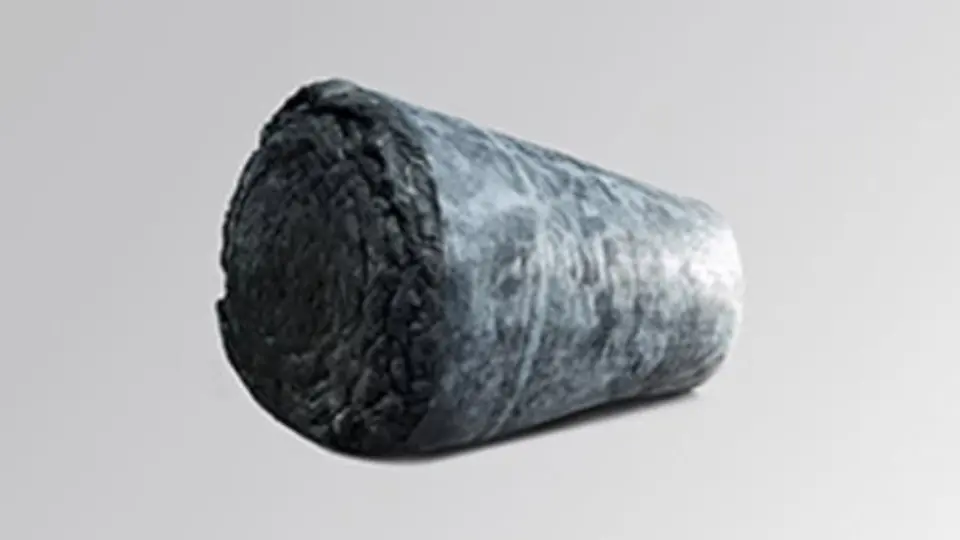
Automotive insulation is essential for fire safety, providing heat resistance, fire containment, and protective barriers throughout the vehicle. It is used in critical areas like the engine compartment, firewall, battery pack, and interior components to prevent the spread of flames, protect sensitive parts, and enhance occupant safety. Various materials such as foams, mineral wool, reflective foils, and composites are chosen for their specific fire-resistant properties, ensuring comprehensive protection in the event of a fire.
What is the purpose of automotive insulation in fire safety?
- Fire containment: insulation prevents flames from spreading from one part of the vehicle to another, especially from the engine compartment to the passenger cabin.
- Heat protection: insulation shields components from excessive heat generated by the engine, exhaust system, and, in electric vehicles, the battery pack.
- Safety barrier: insulation provides a protective barrier that can delay or prevent the ignition of flammable materials within the vehicle.
- Thermal management: it also maintains optimal operating temperatures for various components, reducing the risk of overheating and subsequent fires.
Applications of automotive insulation for fire safety
- Engine compartment: insulation is extensively used in the engine compartment to prevent heat and flames from spreading to other parts of the vehicle. This includes the use of heat shields and insulating blankets around the engine, exhaust manifold, and turbocharger.
- Firewall: the firewall, a critical barrier between the engine compartment and the passenger cabin, is often insulated to block heat and flames from reaching the interior of the vehicle.
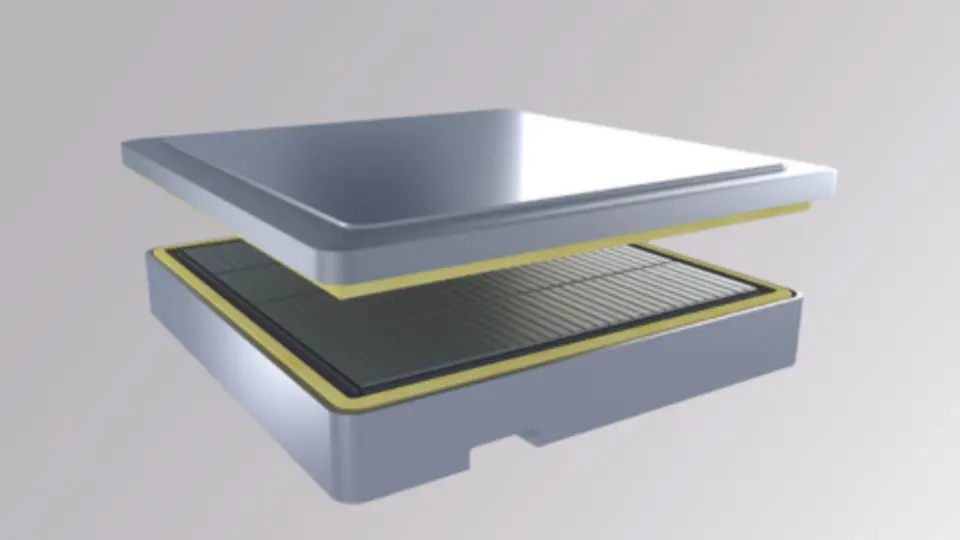
- Battery pack (electric vehicles): in electric vehicles, insulation around the battery pack is essential to manage heat and prevent thermal runaway, which can lead to fires. Battery enclosures are designed with fire-resistant materials to contain potential fires.
- Fuel lines and tanks: insulation around fuel lines and tanks can prevent them from becoming ignition sources by shielding them from excessive heat.
In addition to specific insulation solutions, interior components, such as upholstery, carpets, and headliners, are also made of fire-resistant materials, to slow the spread of flames and provide occupants more time to evacuate in case of a fire.
Ensure fire safety with automotive insulation solutions from Isover
Isover has developed fire protection solutions for different types of vehicles. Our products are engineered to provide effective fire protection while also offering other benefits such as thermal insulation, soundproofing, and durability.
By choosing our solutions, vehicle manufacturers benefit from enhanced safety, durability, and performance. All Isover insulation materials are rigorously tested and certified to meet industry standards, providing peace of mind to both manufacturers and consumers.
Key benefits of Isover insulation for car fire safety
- Heat resistance: our insulation solutions withstand high temperatures without melting, degrading, or igniting. This is critical for materials used in the engine compartment and around high-heat sources like exhaust systems.
- Non-combustibility: our materials do not ignite easily and do not contribute to the development of fire, nor to the emission of smoke or toxic gases.
- Thermal insulation: our insulation solutions prevent heat transfer, maintaining lower temperatures on the protected side and preventing the spread of heat.
- Durability: Isover insulation solutions offer long-lasting performance under harsh conditions, including exposure to heat, vibrations, and chemicals.
- Sound dampening: In addition to providing thermal insulation and fire safety, our automotive insulation solutions also help reduce noise and vibrations, contributing to overall vehicle comfort.