Glass wool insulation
Light, thin and environment friendly, glass wool insulation products offer very efficient solutions for insulation.
Glass wool insulation : everything you need to know
Manufactured by Saint-Gobain ISOVER for many years, glass wool has proven to be an excellent insulator. Our R&D teams are constantly improving our existing glass wool products and developing new ones to ensure consistent high quality and performance with dozens of new patents filed every year.
Why choose glass wool insulation?
Glass wool, also known as fibreglass, is considered to be one of the most effective and environmentally friendly insulation products available. The excellent thermal properties help you save energy and lower your environmental impact. The porous, elastic structure provides effective acoustic attenuation at operating temperatures up to 300°C.
-
Excellent thermal insulation
The small air pockets in the glass wool keep heat loss to a minimum to maintain the right temperature across the building or installation. -
Superior acoustic performance
The unique internal micro-structure comprising long interwoven fibres ensures high levels of sound absorption. -
Fire Protection
Incombustible by nature, glass wool doesn’t fuel fire or propagate flames. -
Health & Safety
Glass wool fibres are safe to manufacture, install and live with. They are certified as biosoluble by health authorities at an international level. -
Lightweight & easy to install
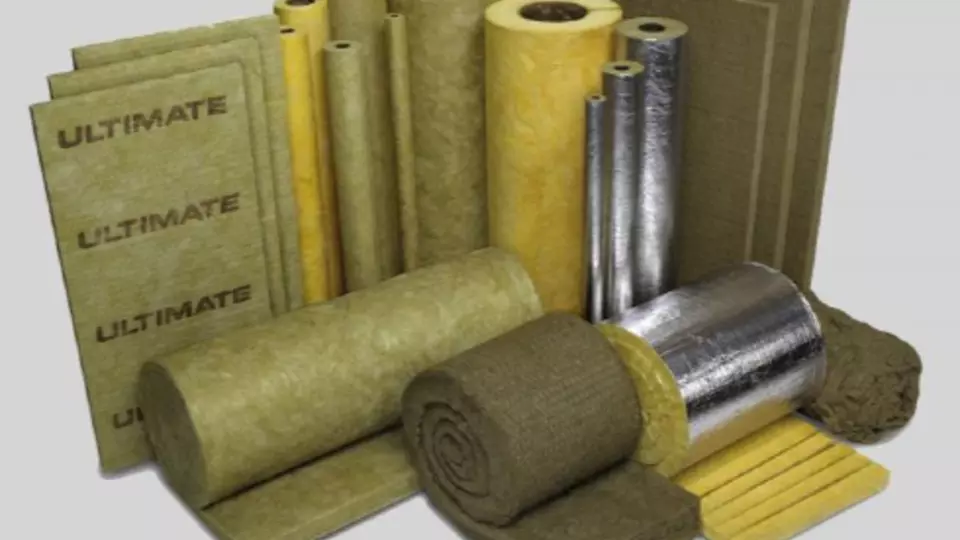
Compressed into rolls and sheets, glass wool is easy to handle, store, transport and install.
Keep your carbon footprint under control
Manufactured from locally sourced natural raw materials like sand, ISOVER glass wool products are the ideal choice for a more sustainable approach to insulation. Our glass wool products have Zero Ozone Depleting Potential (ODP) with no CFCs or HCFCs produced during the manufacturing process.
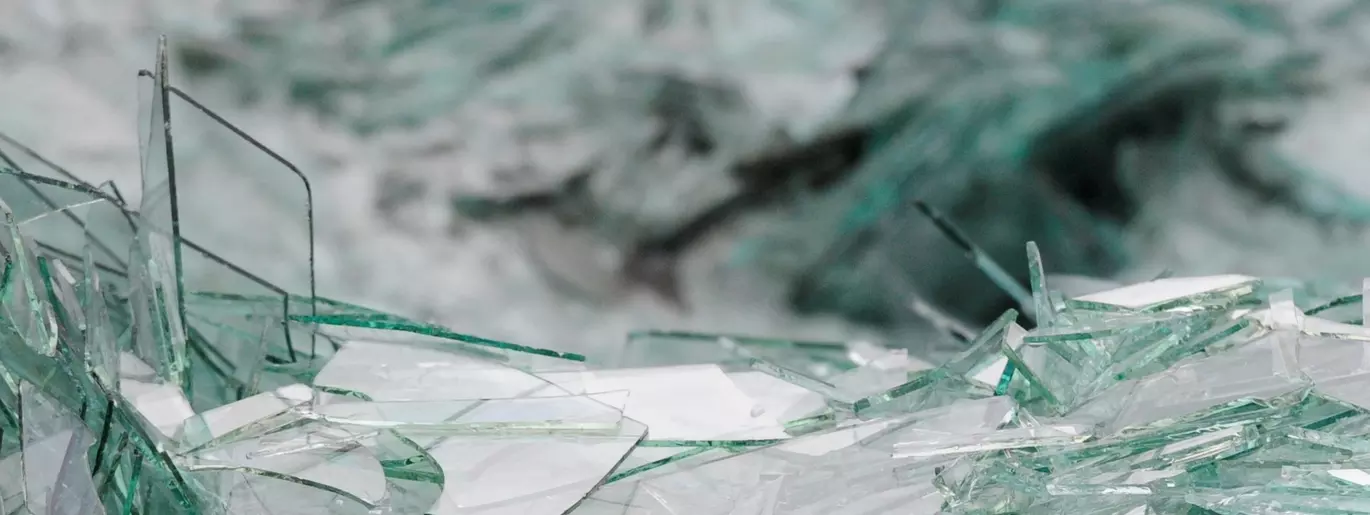
Since 1990, we have incorporated recycled glass into our glass wool, today reaching up to 80% at some of our sites. Originating from different sources like glazing, vials and neon tubes, this recycled glass improves the quality of final product and reduces the amount of energy required to fuse the glass.
What can glass wool (fiberglass) be used for?
The wide range of ISOVER glass wool (fibreglass) products are designed to meet demanding requirements in terms of thermal and acoustic insulation, as well as fire safety and ease of installation.
Glass wool insulation products can be applied in multiple areas, from ducts and pipes to walls. Although most commonly used for ceilings in residential buildings, fibreglass is also a very effective insulator in the technical insulation applications :
- HVAC and Air-conditioning system Insulation
- Industry Insulation
- Marine and Offshore Insulation
- Automotive insulation
- Train Insulation
- Household appliances (cooking ovens insulation)
New generation glass wool insulation from ISOVER
In 2017, ISOVER released a new glass wool. With a 100% bio-sourced binder, this new patented material is soft to touch, light to handle, and easy to cut. The glass wool combines high acoustic and thermal performance, while also improving interior air quality and generating considerable energy savings.
The new ISOVER glass wool is manufactured using mineral materials – recycled glass accounts for a minimum of 40% – and 100% bio-sourced binder. It is infinitely recyclable. What’s more, when used to insulate the walls and roof of a house, it can reduce carbon emissions from heating by 40%, that is 150 metric tons of carbon over the lifespan of a building or the equivalent of one million kilometres travelled by car.
How does ISOVER make glass wool (fibreglass)?
Glass wool is an insulating material made from glass fibres. These fibres are arranged using a binder into a texture similar to wool. This process traps small pockets of air between the glass, which give the final product its superior thermal insulation properties. Glass wool can be sold as rolls or slabs each with different thermal and mechanical properties.
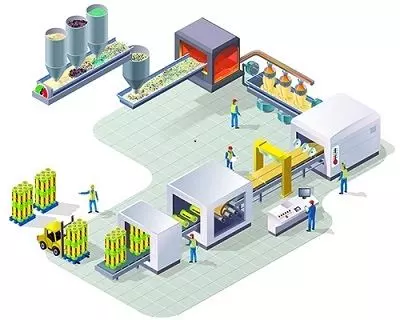
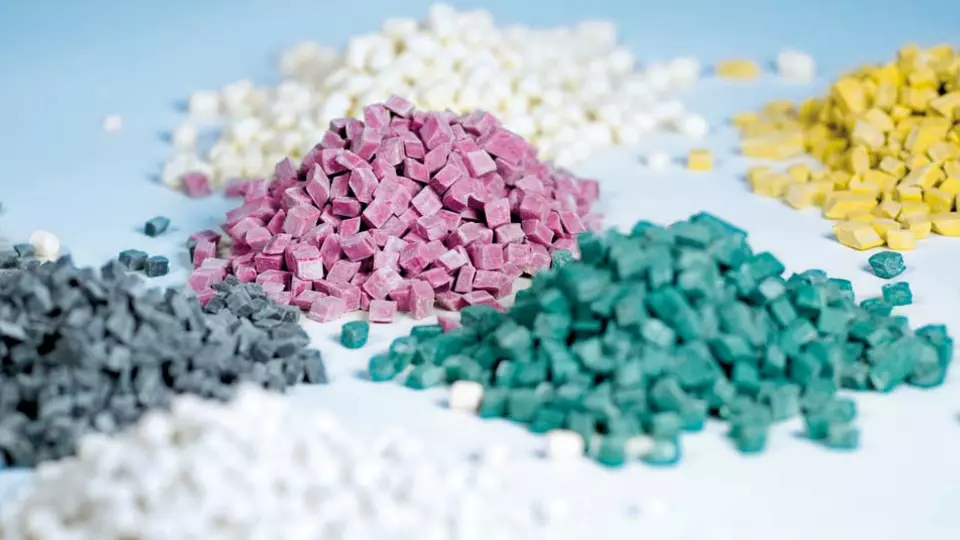
1. Batch: the sand, soda-ash, limestone and recycled glass are stored in silos. The materials are then weighed, mixed and poured into a furnace.
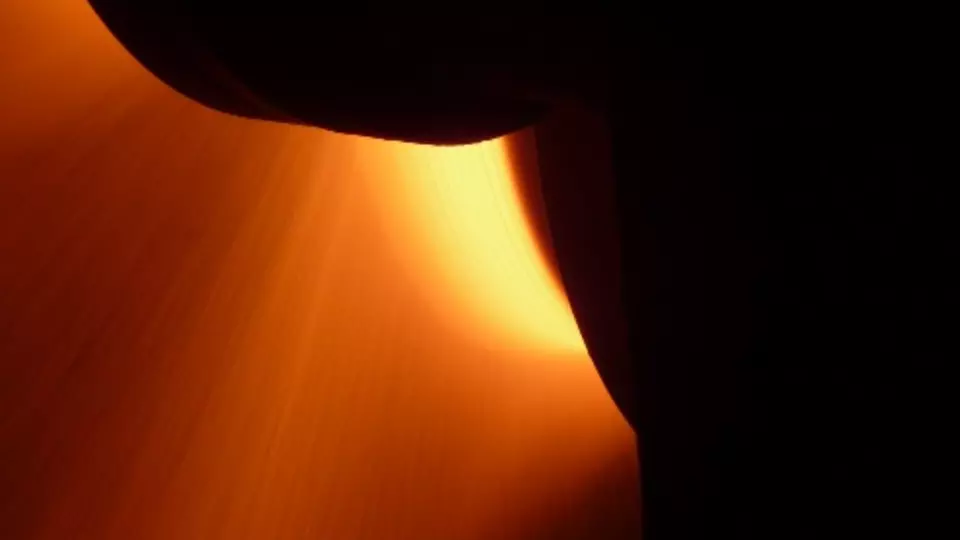
2. Melting: The mixture is melted at a temperature exceeding 1,400°C in an electric or gas furnace.
3. Fiberizing: The liquid glass passes via a feeder into a fiberizing machine. It is propelled through tiny holes by a centrifugal spinner to create fibres. These are then sprayed with a binder and shaped into a blanket.
4. Forming: The blanket passes through a curing oven. During this process, the blanket can be compressed to achieve the final thickness.
5. Cutting: The blanket is cut to the required width. Off-cuts are recycled. A facing may be glued to the blanket.
6. Packaging: The end of the line is usually equipped with a rolling machine for mats and a stacking machine for boards.
7. Palletization: The glass wool can be compressed to up to a tenth of its volume. A total of 36 rolls of glass can be packed onto a single pallet.