


Stadtwerke Heidelberg - Germany
Insulating a Giant Heat Storage Tank
The city of Heidelberg has taken another bold step towards sustainable energy with the construction of a new heat storage tank, operated by Stadtwerke Heidelberg. This cylindrical structure, built on the site of an earlier gas storage tank, is seen as a dynamic city icon and knowledge hub for renewable energy.
With a 25-meter diameter and a towering 55-meter height, the tank is wrapped in a nature, multi-layered facade.
Our heat storage system acts as a buffer in the energy system, providing greater flexibility. In combination with a Power to Heat solution it also allows electricity from renewable energy sources to be converted into heat and stored on windy and sunny days. In this way, the storage facility will help to achieve the city's climate neutrality targets by 2024.
Michael Teigeler, CEO Stadtwerke Heidelberg Energie
Innovating to meet challenging specifications
Development of this large-scale heat storage tank began in 2015, bringing with it a series of complex challenges. With a massive 10,000 m² surface area to be insulated, the project required not only technical expertise but also an innovative approach to meet demanding specifications. From the start, the requirements were in place: the insulation had to guarantee a maximum heat loss of 15 W/m² in order to qualify for government subsidies. The project also faced additional challenges, including suboptimal initial specifications, the need to select the most suitable materials from various options, and the complexity of insulating a tall structure efficiently.
To address these challenges, we provided a tailor-made insulation solution that not only met the technical requirements of the project, but also helped secure government subsidies thanks to its exceptional thermal performance.
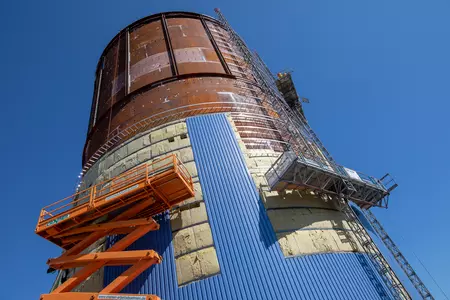
An optimized insulation solution
For this project, ISOVER’s U TFN 23 (AS) Si insulation felt was selected as the optimal solution. This choice provided a perfect balance between high thermal efficiency and ease of installation. Installed in two layers of 250 mm each, the total thickness of the insulation was 500 mm, ensuring excellent thermal performance. The design minimized thermal bridges by incorporating fewer joints, which helped maintain maximum energy retention and reduced heat loss.
A key advantage of the U TFN 23 (AS) Si insulation is its low lambda value, which is crucial for minimizing thermal losses. This high-performance solution could be applied in just two layers, compared to the four or five layers typically needed with conventional solutions. This significantly streamlined the installation process, reducing labor costs and time while enhancing overall efficiency. The result was a project that remained both competitive and sustainable, in line with Heidelberg's goals in terms of energy transition and reduced environmental impact.
Paving the way for future heat storage projects
The success of the Stadtwerke Heidelberg heat storage tank project sets an example for future developments in energy storage and insulation. By employing innovative insulation techniques and optimizing energy efficiency, this project not only supports the city’s environmental objectives, but also serves as a model for similar initiatives across Germany. With government subsidies for such projects available until at least 2025, there is significant potential for expanding the use of advanced insulation solutions in the energy sector.
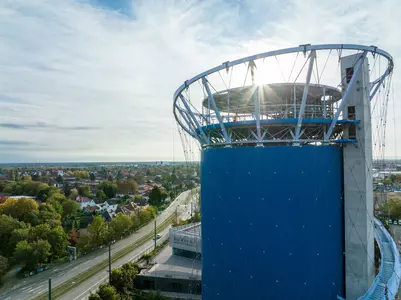
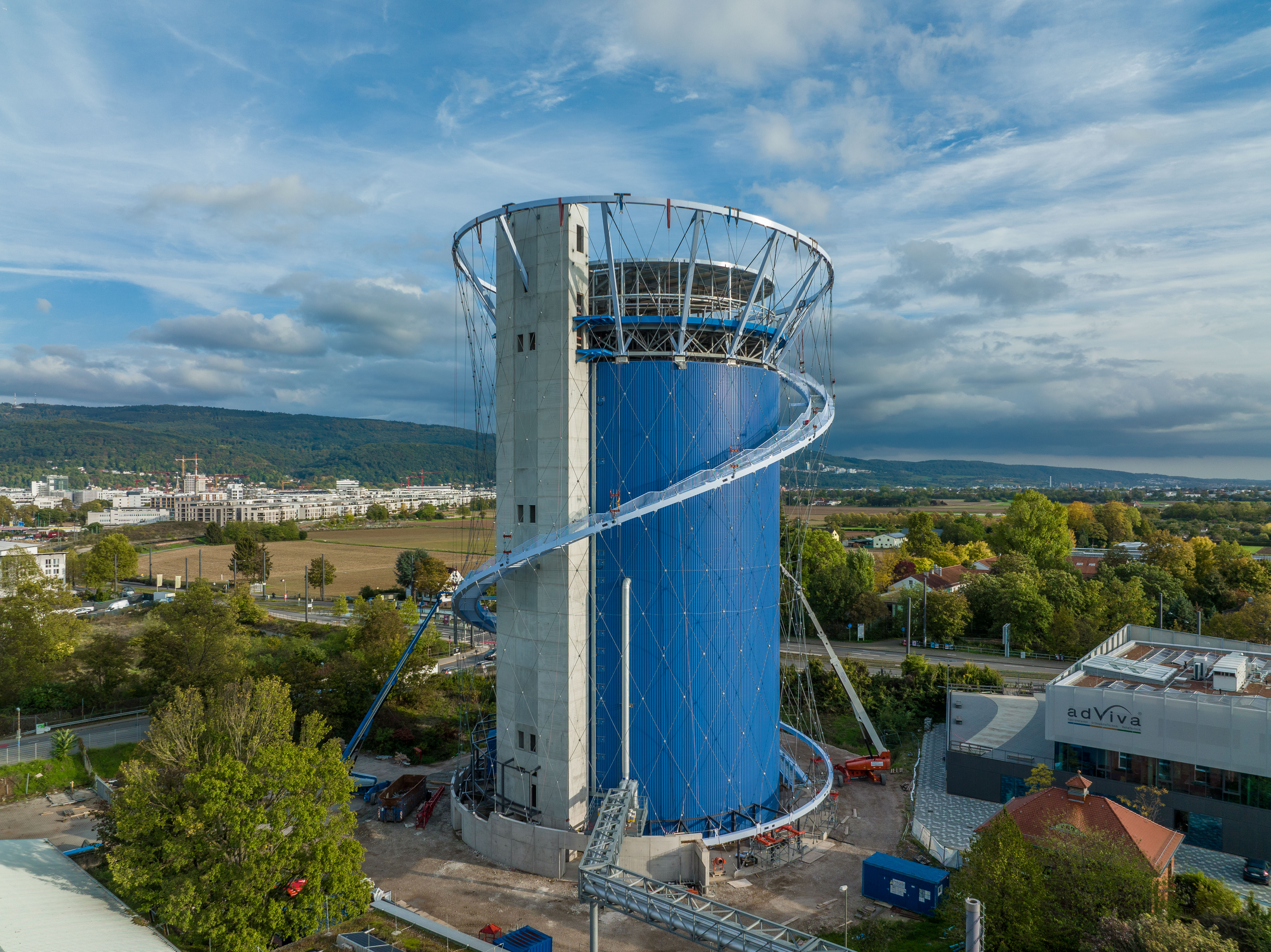
10,000 m² of insulation for this massive heat storage tank