


LEGO manufacturing - Vietnam
Technical Insulation as a Key Driver Towards Sustainable Manufacturing: The LEGO Manufacturing Vietnam Project
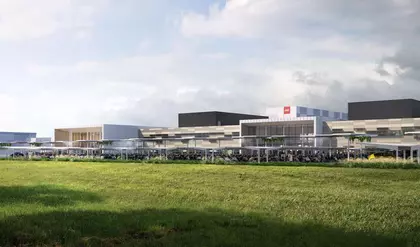
As the global push towards sustainability intensifies, industrial manufacturers are searching for innovative ways to reduce their carbon footprint without compromising quality or productivity. The upcoming LEGO Manufacturing Vietnam project exemplifies this trend. Slated to begin production in 2025, this facility is set to become not only the LEGO Group’s sixth plant worldwide, but also its first carbon-neutral operation. The ambitious USD 1 billion investment spans a 44-hectare site, roughly the size of 62 football fields, and signifies a pioneering commitment to environmental responsibility in Vietnam’s rapidly developing industrial landscape.
The Importance of Glass Wool and Stone Wool in Technical Insulation
A central element in achieving these sustainable targets is the strategic use of technical insulation. By integrating high-performance insulation materials into the plant’s design and construction, the project aligns with stringent environmental standards. Approximately 150,000 square meters of glass wool duct wrap will help regulate indoor climate, while 10,000 square meters of stone wool partition and ceiling insulation will further enhance thermal efficiency. These insulation solutions not only reduce energy consumption but also minimize greenhouse gas emissions, contributing directly to LEGO’s aim of cutting absolute carbon emissions by 37% by 2032 compared to 2019 levels.
LEED Certification: Setting a Standard for Sustainability
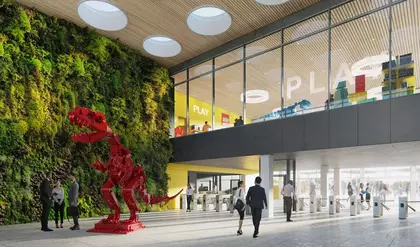
The positive impact of this insulation strategy is underscored by the project’s prestigious green building credentials. The main OBD house will achieve LEED Platinum certification, while the rest of the facility will hold LEED Gold status. These certifications reflect rigorous attention to building envelope performance, material selection, and overall resource efficiency, areas in which technical insulation plays a crucial role. By effectively managing heat flows, maintaining comfortable working conditions, and mitigating energy loss, insulation supports the creation of a manufacturing environment that is cleaner, healthier, and more cost-effective.
Key to the success of such insulation initiatives is the close collaboration among multiple stakeholders. MEP consultants, architectural teams, contractors, and the project owner have all worked in concert with suppliers like Saint-Gobain to integrate holistic insulation solutions rather than focusing on single products. This all-encompassing approach includes careful material selection, rigorous type testing, well-planned installation methods, and robust after-sales services to ensure ongoing performance and optimization.
Collaboration Driving HVAC and Pipe Insulation Excellence
The LEGO Manufacturing Vietnam project illustrates the growing global recognition that sustainability in manufacturing is no longer a luxury but a necessity. Technical insulation stands as a pivotal element in this journey, playing an indispensable role in helping the facility meet, and indeed exceed, international standards for environmental stewardship. As more companies follow suit, robust insulation strategies and industry-wide collaboration will become central pillars of sustainable industrial development worldwide.
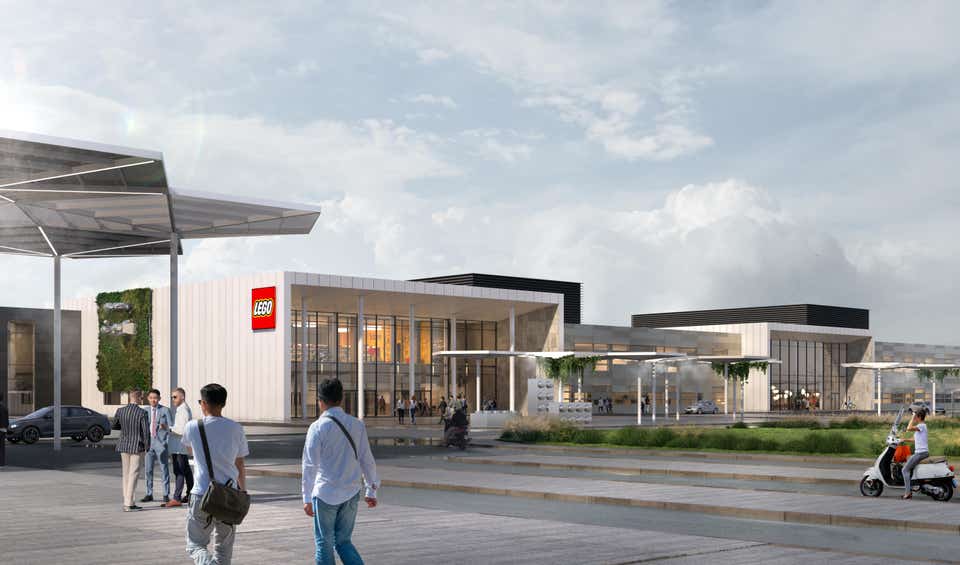
150,000 square meters of glass wool for the Lego manufacturing Project